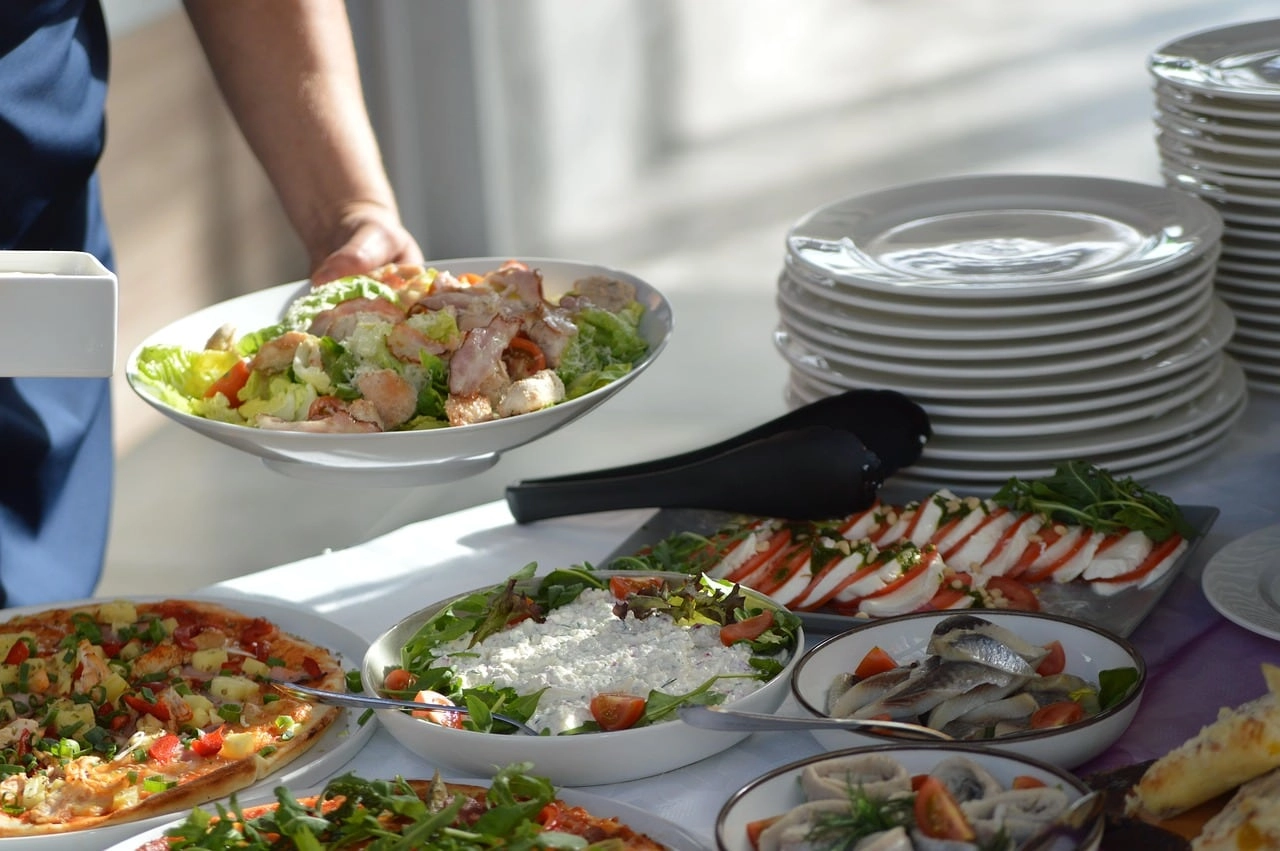
Living alone can often present unique challenges, especially when it comes to maintaining a healthy diet. However, with a few strategic approaches, you can make healthy eating not only manageable but also cost-effective. Here are six tips that can help you save both time and money while ensuring you nourish your body with wholesome foods.
First and foremost, meal planning is essential. Dedicate some time each week to outline your meals, which will help you avoid impulse purchases and reduce food waste. By planning your meals in advance, you can create a shopping list that focuses on nutritious ingredients, ensuring that you have everything you need on hand. Consider choosing versatile ingredients that can be used in multiple dishes throughout the week, such as grains, legumes, and seasonal vegetables. This not only streamlines your cooking process but also maximizes your budget, as buying in bulk often leads to savings.
Another effective strategy is to cook in batches. Preparing larger portions of meals and then storing leftovers in individual containers can save you time on busy days and help you avoid the temptation of unhealthy takeout options. When you cook in batches, you can also experiment with various recipes and flavors, keeping your meals interesting and enjoyable. Additionally, freezing portions of your meals can extend their shelf life and provide you with quick, healthy options for those days when you don’t feel like cooking.
Incorporating seasonal produce into your diet can also lead to significant savings and health benefits. Seasonal fruits and vegetables are often fresher, tastier, and more affordable than out-of-season options. Visit local farmers’ markets or grocery stores to find what’s in season, and plan your meals around these ingredients. Not only will you be supporting local agriculture, but you’ll also be enjoying the peak flavors of the season, making your meals more satisfying and nutritious.
Furthermore, consider adopting a flexible approach to your recipes. Instead of following strict guidelines, allow yourself to substitute ingredients based on what you have available or what’s on sale. This not only enhances your creativity in the kitchen but also helps you utilize what you already own, reducing waste and unnecessary spending. Healthy eating doesn’t have to be rigid; it can be an enjoyable exploration of flavors and textures that aligns with your preferences and budget.
Lastly, don’t underestimate the importance of hydration and mindful eating. Drinking plenty of water throughout the day can help manage hunger and prevent overeating. Additionally, practicing mindfulness during meals—such as eating slowly and savoring each bite—can enhance your enjoyment of food and improve your overall relationship with eating. By incorporating these six healthy eating tips into your routine, you can successfully navigate the challenges of living alone, ensuring that you maintain a balanced diet while saving time and money.