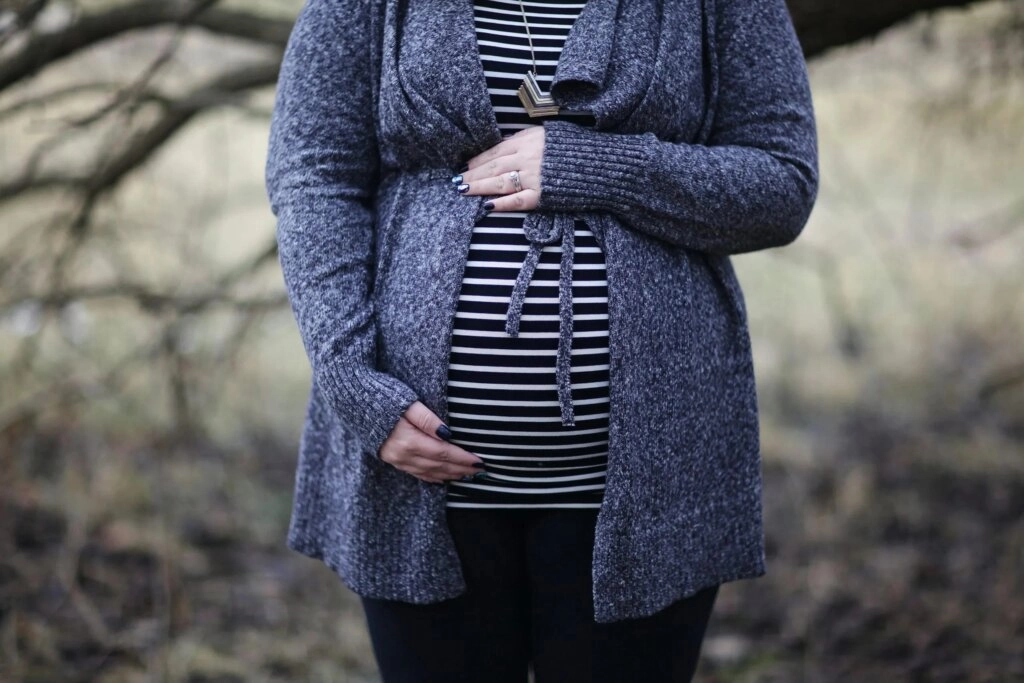
After giving birth, many women experience a range of physical and emotional changes that can be overwhelming. While some symptoms are expected and often discussed, there are certain post-pregnancy symptoms that women may mistakenly believe are normal when, in fact, they warrant further attention. Understanding these symptoms is crucial for new mothers to ensure their health and well-being.
One common misconception is that persistent fatigue is simply a part of motherhood. While it’s normal to feel tired due to the demands of caring for a newborn, extreme fatigue that persists beyond the initial weeks could indicate underlying issues such as anemia or thyroid dysfunction. Similarly, many women experience mood swings and emotional fluctuations after childbirth, which can sometimes lead to the belief that these feelings are just part of the postpartum experience. However, if these emotions escalate to severe depression or anxiety, it may signal postpartum depression, a condition that requires professional support.
Another symptom that is often dismissed is pelvic pain or discomfort. Many women assume that any lingering pain in the pelvic region is just a normal part of the recovery process. However, persistent pelvic pain can be a sign of conditions like pelvic floor dysfunction or endometriosis, which may need to be addressed through medical intervention. Additionally, issues such as incontinence or changes in bladder control are frequently overlooked; women may feel embarrassed or believe these changes are just part of aging. In reality, these symptoms can often be treated or managed effectively with the right guidance.
Lastly, many new mothers may experience significant changes in their hair and skin, including excessive hair loss or skin discoloration. While some level of hair shedding is common after pregnancy due to hormonal shifts, excessive loss may be indicative of a more significant issue, such as postpartum thyroiditis. Skin changes, including persistent acne or rashes, should also be monitored, as they may require dermatological evaluation. Recognizing these symptoms as potential indicators of health issues can empower women to seek appropriate care and make informed decisions about their postpartum health.