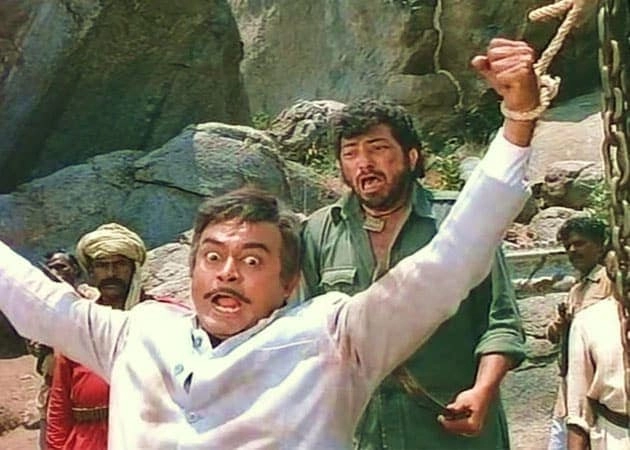
In a recent revelation, filmmaker Farhan Akhtar shed light on the iconic climax of the classic Bollywood film “Sholay,” explaining how it was altered due to the political climate of the time. The film, directed by Ramesh Sippy and released in 1975, is widely regarded as one of the greatest Indian films ever made. Its gripping narrative, memorable characters, and impactful dialogues have left an indelible mark on Indian cinema. However, the original vision for the climax underwent significant changes, influenced by the Emergency imposed by then-Prime Minister Indira Gandhi.
During the Emergency period from 1975 to 1977, censorship and restrictions on creative expression became prevalent. Filmmakers faced challenges in depicting themes that could be interpreted as politically sensitive. This environment necessitated modifications to various artistic projects, including “Sholay.” Farhan Akhtar, who is not only an accomplished filmmaker but also the son of noted screenwriter Javed Akhtar, shared insights into how the original ending of “Sholay” was reworked to comply with the prevailing socio-political context, ensuring that it remained acceptable for audiences and authorities alike.
The climax, which originally may have included darker and more controversial elements, was ultimately adjusted to resonate better with the audience while still delivering the film’s core message. This change, although born out of necessity, contributed to the film’s legacy, allowing it to maintain its popularity and relevance over the decades. Akhtar’s comments serve as a reminder of the delicate balance filmmakers often navigate between artistic expression and societal norms, especially during turbulent times.
Despite the challenges, “Sholay” continues to be celebrated for its storytelling and character development. The film’s ability to adapt and endure through changing times is a testament to its timeless appeal. The legacy of “Sholay” and its impact on Indian cinema is a fascinating subject, illustrating how external circumstances can shape creative works in unforeseen ways. Farhan Akhtar’s insights not only provide a glimpse into the making of a cinematic masterpiece but also reflect the broader history of Indian filmmaking during a politically charged era.