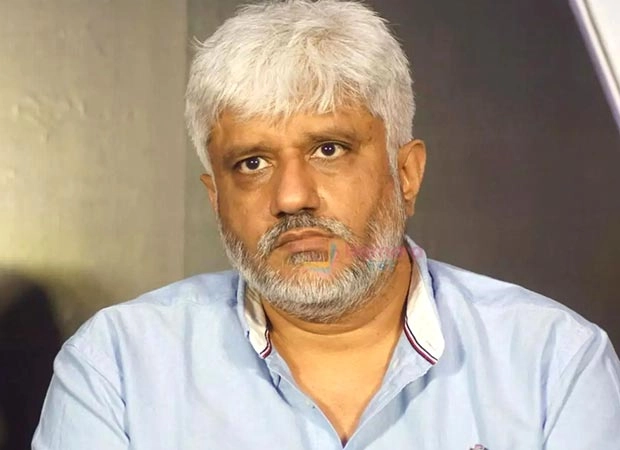
Maharaj Director has publicly supported Deepika Padukone’s request for an eight-hour workday, emphasizing that the need for a balanced work-life schedule is not a novel idea in the film industry. He pointed out that legendary actresses like Rani Mukerji and Kajol had already advocated for similar work conditions long before the topic gained widespread attention. This endorsement highlights the ongoing discussions around the need for a more humane approach to working hours in the entertainment sector, where long and demanding schedules can often lead to burnout among actors and crew members.
The director’s comments resonate with the evolving landscape of the film industry, where there is a growing recognition of the importance of mental health and well-being. By backing Padukone’s request, he underscores a significant shift in how professionals in the industry are beginning to prioritize their health over the traditional expectations of grueling work hours. This change is not just limited to actors; it extends to all crew members who play a vital role in the filmmaking process. The push for a standard eight-hour workday could lead to a more sustainable and productive environment, fostering creativity rather than stifling it under the pressure of overly long hours.
Furthermore, the discussion around work-life balance in the film industry is a reflection of broader societal changes. As more individuals recognize the value of personal time and mental health, industries across the board are being urged to adapt. The support from established figures, such as the Maharaj Director, is crucial in advocating for these necessary changes. Their voices can help pave the way for a more equitable work environment, challenging the long-standing norms that have often prioritized output over well-being.
In conclusion, the endorsement of Deepika Padukone’s eight-hour workday request by the Maharaj Director serves as a pivotal moment in the ongoing dialogue regarding work conditions in the film industry. By referencing iconic figures like Rani Mukerji and Kajol, he highlights that the conversation surrounding reasonable working hours is not new, yet it is more relevant now than ever. As the film industry grapples with the implications of such changes, it is essential for all stakeholders to engage in this dialogue, ensuring that the push for a healthier work environment continues to gain momentum.