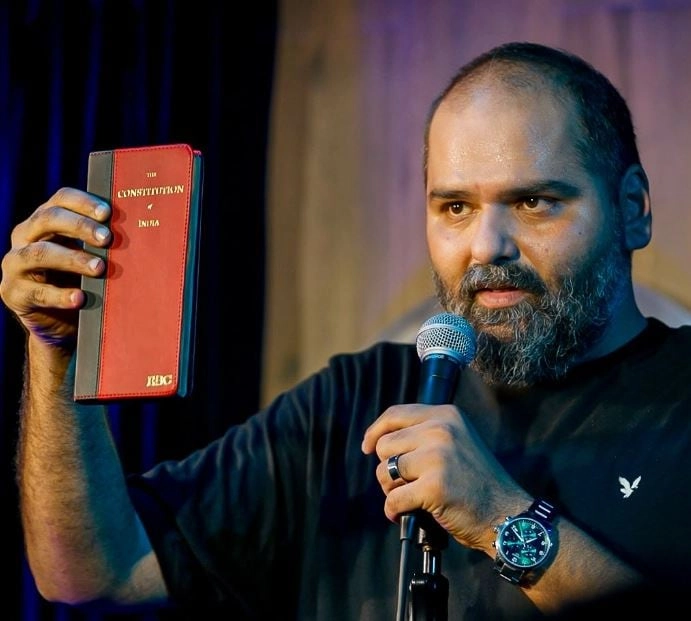
Kunal Kamra, the renowned stand-up comedian and outspoken social commentator, recently made headlines by rejecting an offer to participate in the popular reality television show, Bigg Boss. The series, hosted by Bollywood superstar Salman Khan, has garnered significant attention and a massive following over the years. However, Kamra’s response to the offer was anything but conventional. In a bold statement, he expressed his disdain for the show, humorously suggesting that he would rather “check into a mental hospital” than join the ranks of contestants vying for fame and fortune within the confines of the Bigg Boss house.
Kamra’s rejection of the offer is reflective of his deep-seated beliefs about reality television and its impact on society. He has often criticized the way such shows manipulate emotions and promote a certain culture of sensationalism. For Kamra, participating in Bigg Boss would not only compromise his integrity as a comedian but also conflict with his principles as a public figure. His refusal serves as a reminder of the growing disillusionment among some artists and intellectuals regarding the entertainment industry’s focus on sensationalism over substance.
In a world where reality television often blurs the lines between authenticity and performance, Kamra’s stance is a refreshing reminder of the importance of staying true to oneself. His comments resonate with many who share concerns about the ethical implications of reality shows and their influence on popular culture. Rather than seek the limelight through a platform that he deems detrimental, Kamra chooses to pursue his craft in a manner that aligns with his values, focusing on comedy that encourages thought and provokes dialogue.
Ultimately, Kunal Kamra’s decision to reject the Bigg Boss offer highlights a larger conversation about the nature of entertainment and the responsibilities of those in the public eye. By prioritizing his mental well-being and artistic integrity over fleeting fame, Kamra sets an example for others in the industry. His witty yet poignant commentary invites audiences to reflect on their own consumption of reality television and the broader implications it has on societal values and norms.