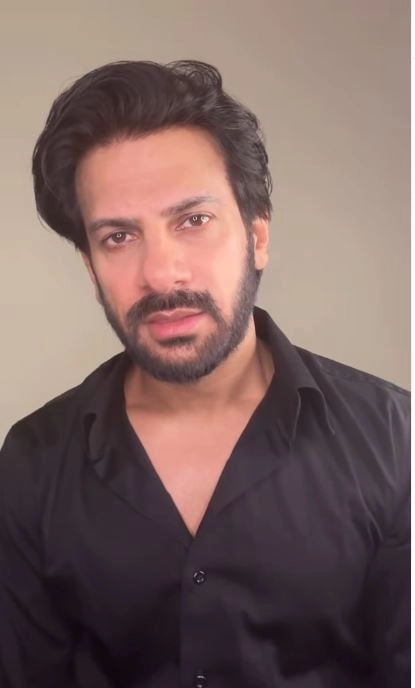
Karan Veer Mehra recently found himself at the center of controversy following his poem addressing the tragic terror attack in Pahalgam. As a prominent figure in the entertainment industry, his artistic expression sparked a considerable backlash, with critics questioning the appropriateness of his words in the wake of such a heartbreaking event. In his poem, Mehra aimed to convey a message of unity and resilience, encouraging people to reflect on the cycle of violence that often perpetuates hatred and division. However, the reaction to his piece highlighted the delicate balance between artistic freedom and public sentiment, especially in a context as sensitive as terrorism.
In response to the criticism, Mehra emphasized the importance of breaking the cycle of hate rather than allowing it to escalate. He expressed his belief that art should serve as a medium for dialogue and healing, rather than merely reflecting the darkness of the world. By urging people to look beyond their immediate emotions and consider broader implications, the actor sought to foster understanding and compassion. Mehra’s perspective raises a vital question: in the face of tragedy, should we respond with anger and resentment, or is there a more constructive path forward that promotes healing and reconciliation?
Mehra’s statement underscores a critical conversation about the role of artists in society. As public figures, they often wield significant influence and have the power to shape narratives and foster discussions around pivotal issues. In times of crisis, their voices can either amplify existing tensions or help to mend societal rifts. The backlash Mehra faced illustrates that while his intentions may have been noble, the reception of his work is often contingent on the current emotional landscape of the audience. It serves as a reminder of the complexities artists navigate when addressing sensitive topics.
Ultimately, Karan Veer Mehra’s reaction to the backlash surrounding his poem invites a broader dialogue about the responsibilities of artists in addressing societal issues. As he posed the question, “Would you rather break the chain of hate?” the implication is clear: art has the potential to challenge prevailing narratives and inspire change. It encourages individuals to reflect on their responses to tragedy and consider the impact of their words and actions. In a world where division often seems insurmountable, fostering conversations around empathy and understanding is crucial in building a more harmonious society.