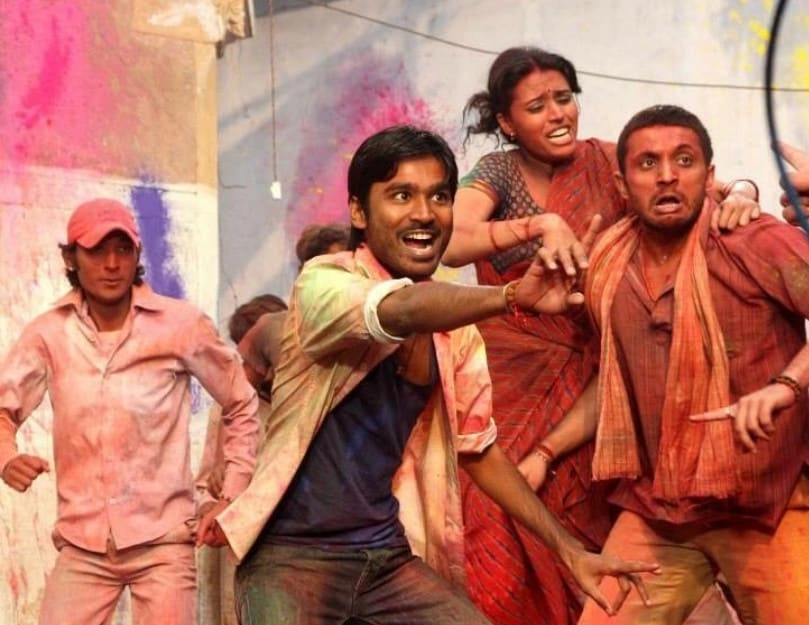
Fans of the critically acclaimed film “Raanjhanaa,” starring Dhanush, have taken to social media to express their excitement and appreciation for an AI-altered version of the movie that offers an alternate happy ending. Originally released in 2013, “Raanjhanaa” is a poignant tale of unrequited love and sacrifice, where Dhanush’s character, Kundan, faces a tragic fate. However, with the emergence of artificial intelligence tools, a new version has been created, allowing audiences to envision a different conclusion where Kundan survives and finds happiness, much to the delight of his fans.
The altered ending has sparked a wave of nostalgia and appreciation for the film among its dedicated fan base. Many viewers took to platforms like Twitter and Instagram to share their thoughts, with some expressing their desire for the original story to have concluded differently. Comments such as “My Kundan is alive” encapsulate the sentiment of those who felt a connection to Kundan’s journey and wished for a more uplifting resolution. The AI-generated happy ending has provided a fresh perspective on the narrative, highlighting the emotional complexity of the characters and allowing fans to explore the “what ifs” of the storyline.
Moreover, this phenomenon underscores the growing influence of technology in storytelling. The ability to reimagine cinematic narratives through AI showcases the potential for creativity and innovation in the film industry. Fans are not only engaging with the content on a deeper level but are also participating in a collaborative reimagining of stories that have left a lasting impact. The conversation around this AI-altered ending reflects a broader trend in which audiences seek more agency in how stories unfold, leading to discussions about narrative possibilities in filmmaking.
As discussions about AI in art continue to evolve, the fan response to the happy ending of “Raanjhanaa” serves as a testament to the power of storytelling and the emotional connections that films can create. This alternate ending has sparked a renewed interest in the film, inviting both old and new audiences to engage with its themes of love, loss, and redemption. Ultimately, the blend of nostalgia and innovation illustrates the dynamic relationship between viewers and the stories they cherish, proving that even in the world of cinema, there is always room for hope and reinvention.