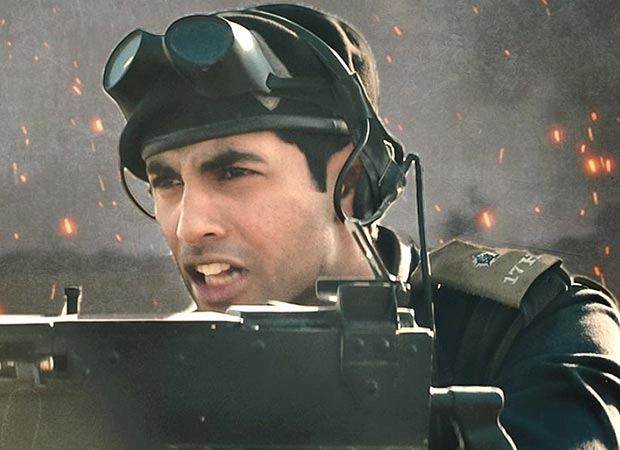
In a recent development regarding the film “Ikkis,” the Central Board of Film Certification (CBFC) has made headlines by removing a 15-second dialogue that addressed the sensitive topic of India-Pakistan relations. This decision has sparked discussions about the role of censorship in Indian cinema and the balance between creative expression and political sensitivity. The dialogue in question reportedly contained commentary that could have been interpreted as critical or politically charged, leading to concerns about its potential impact on public sentiment and diplomatic relations.
The removal of this dialogue reflects the CBFC’s ongoing efforts to navigate the complex landscape of Indian politics and societal norms. Films in India often serve as a mirror to contemporary issues, but they also face scrutiny from regulatory bodies that aim to prevent content deemed controversial or inflammatory. The decision to cut the dialogue may have been influenced by the current geopolitical climate, where relations between India and Pakistan remain fraught with tension. By eliminating this particular segment, the CBFC appears to be prioritizing a cautious approach to avoid any backlash that could arise from the film’s release.
“Ikkis,” which is anticipated to be a significant addition to the film industry, now faces the challenge of delivering its narrative without the provocative dialogue that was originally intended. This alteration raises questions about artistic integrity and the compromises filmmakers must make to comply with regulatory standards. As the film industry grapples with issues of freedom of expression, the incident underscores the ongoing debate about censorship in India, particularly regarding topics that can evoke strong nationalistic sentiments.
In conclusion, the CBFC’s decision to delete the dialogue on India-Pakistan relations from “Ikkis” highlights the complexities filmmakers face when addressing sensitive subjects. While the board’s actions may be aimed at maintaining social harmony, they also bring to light the challenges of creative freedom in an environment where political sensitivities are ever-present. As audiences await the film’s release, it remains to be seen how the absence of this dialogue will affect the overall narrative and the film’s reception among viewers.