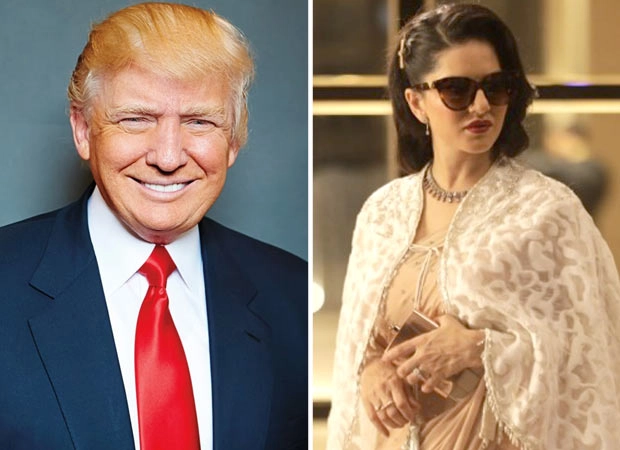
In a recent development, the Central Board of Film Certification (CBFC) has made significant changes to Anurag Kashyap’s film “Kennedy.” The board has opted to replace references to real-life figures, such as “Donald Trump,” with the fictional name “Pump Trump.” Similarly, the notorious criminal “Dawood Ibrahim” has been altered to “Pakistan Don.” These modifications highlight the ongoing tensions between creative expression in cinema and the regulatory frameworks that govern it in India.
The decision by the CBFC raises questions about the nature of artistic freedom and the extent to which filmmakers can reference contemporary personalities and events in their works. By substituting these names, the board aims to avoid potential controversies or legal issues that may arise from depicting real individuals, especially those who are polarizing figures in global politics or notorious criminals. This approach reflects a cautious stance taken by the CBFC, as they navigate the complex landscape of public sentiment and governmental regulations.
Anurag Kashyap, known for his bold storytelling and willingness to tackle controversial themes, may find this censorship challenging, as it alters the intended message and tone of his film. “Kennedy” is anticipated to explore deep and engaging narratives, and such alterations could dilute the impact of its commentary on societal issues. This ongoing dialogue between filmmakers and regulatory bodies underscores the delicate balance between creative expression and the responsibilities that come with it, especially in a diverse and dynamic society like India’s.
As the film industry continues to evolve, such changes by the CBFC could set a precedent for future projects, where filmmakers may need to navigate similar restrictions when referencing real-world figures. The implications of these decisions extend beyond just one film; they prompt broader discussions about freedom of speech, artistic integrity, and the role of censorship in shaping public discourse. As audiences await the release of “Kennedy,” the conversation around these alterations will likely continue, reflecting the ever-changing landscape of cinema in India.