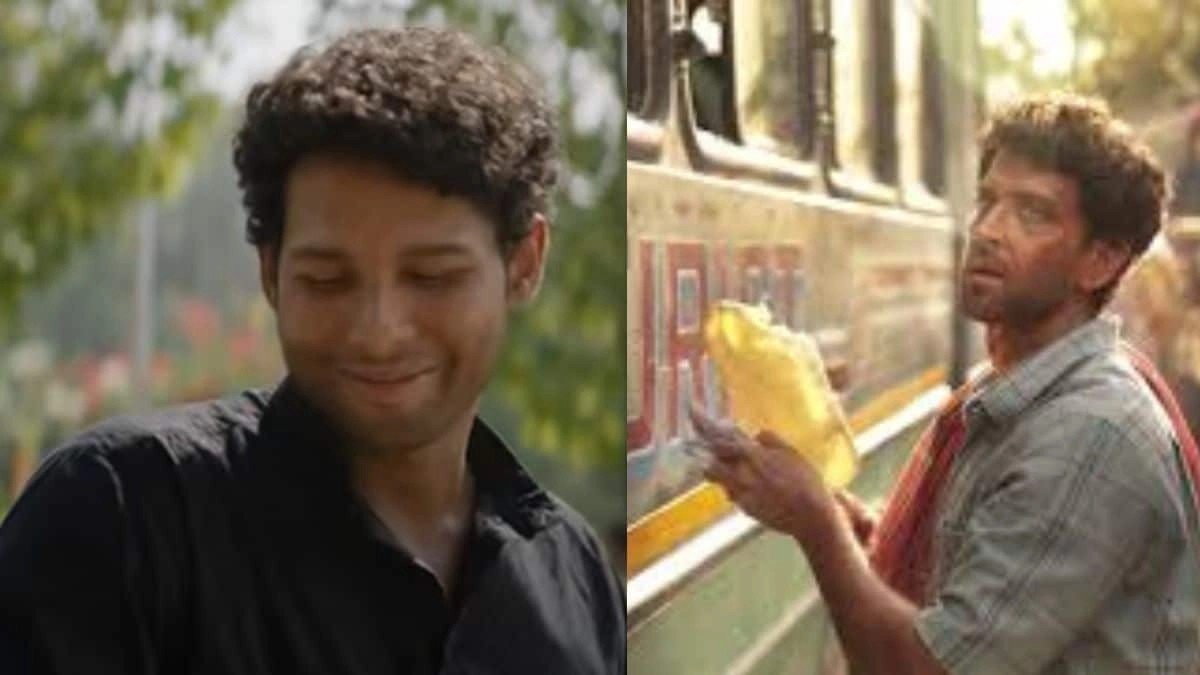
In a recent exclusive interview with NDTV, acclaimed filmmaker Aanand L Rai expressed his deep disappointment regarding the AI-powered climax featured in the re-released version of his beloved film “Raanjhanaa.” The original 2013 movie, which garnered significant attention for its poignant storytelling and memorable performances, is celebrated for its emotional depth and relatable characters. However, Rai’s sentiments reveal a profound concern about the impact of artificial intelligence on the creative process and the authenticity of cinematic storytelling. He articulated that the essence of the film is rooted in the raw, human emotions that were initially captured, and any manipulation through technology risks diluting that heartfelt connection with the audience.
Rai’s discontent stems from the belief that cinema is a medium that thrives on genuine human experiences, rather than artificial enhancements. He described himself as “heartbroken” upon witnessing how AI had altered the film’s climax, which he originally crafted with care to evoke specific emotions. The director emphasized that every frame of “Raanjhanaa” was a labor of love, and the climax was designed to resonate with viewers on a personal level. By integrating AI into such a crucial aspect of storytelling, he feels that the filmmakers have overlooked the importance of authenticity in art, which fundamentally relies on human creativity and emotion.
The discussion around AI in filmmaking has become increasingly relevant as technology continues to evolve. Rai’s remarks serve as a reminder of the delicate balance between innovation and tradition in the film industry. While advancements in technology offer exciting possibilities for storytelling, they also pose ethical questions about the integrity of artistic expression. Rai’s passionate stance highlights the need for filmmakers to carefully consider how they incorporate technological tools without compromising the emotional core that defines their narratives. His reflections resonate with many creators who fear that the rise of AI could overshadow the very essence of storytelling that draws audiences into the world of cinema.
In a broader context, Rai’s critique invites a conversation about the future of filmmaking in an era where artificial intelligence plays an increasingly prominent role. As audiences become more accustomed to sophisticated visual effects and narrative twists powered by AI, the challenge for filmmakers will be to maintain the human touch that has historically been at the heart of compelling storytelling. Rai’s heartfelt response underscores the importance of preserving the emotional depth of cinematic experiences, reminding both creators and audiences alike that while technology can enhance visual storytelling, it is the authenticity of human emotion that ultimately resonates and endures in the hearts of viewers.