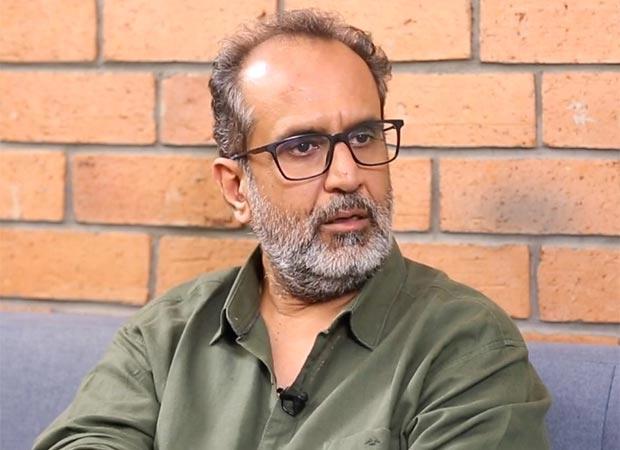
Aanand L Rai has recently responded to the Rs 84 crore lawsuit concerning the intellectual property dispute related to his film “Raanjhanaa.” The lawsuit, which has attracted significant media attention, raises questions about the ownership and rights associated with the film’s storyline and characters. Rai, known for his unique storytelling and creative vision, expressed his views on the matter, stating, “I don’t think it has any meaning.” His comment reflects a sense of dismissal regarding the claims being made against him, suggesting that he believes the lawsuit lacks merit.
In the film industry, disputes over intellectual property are not uncommon, especially when it comes to successful movies that have made a considerable impact. “Raanjhanaa,” released in 2013, was well-received by audiences and critics alike, and its popularity has led to various interpretations and discussions about its narrative elements. Rai’s assertion indicates his confidence in the originality of his work and his belief that the legal action does not pose a significant threat to the film’s legacy or his career.
Furthermore, such lawsuits can often be part of broader trends in the film industry, where creators and producers face challenges over their artistic expressions. Rai’s reaction suggests that he is focused on continuing his work rather than getting entangled in legal battles that could distract him from his creative pursuits. This perspective is crucial in an industry that thrives on innovation and storytelling, as it encourages filmmakers to concentrate on their craft rather than becoming bogged down by disputes over intellectual property rights.
Ultimately, Rai’s stance on the lawsuit underscores the complex nature of intellectual property in cinema and the need for clear communication and understanding between creators regarding ownership and rights. As the legal proceedings unfold, it remains to be seen how this dispute will impact not only Rai but the broader landscape of Indian cinema, where similar issues frequently arise.