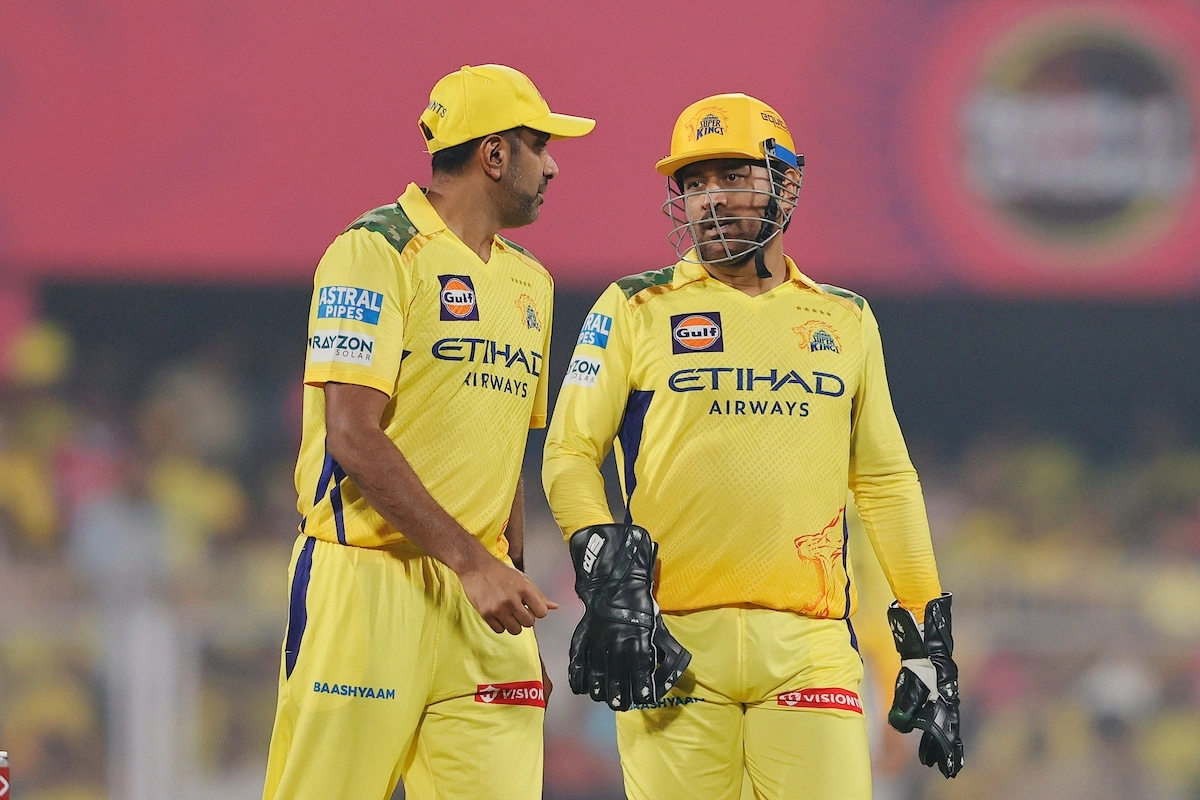
In a tense moment during the fifth Test between India and England, Indian captain Shubman Gill expressed his frustration towards bowler Akash Deep. The incident unfolded as the match progressed, revealing the high stakes and emotions that come with international cricket. Gill, who has been under pressure to lead the Indian side effectively, found himself irritated by what he perceived as a lack of urgency from Deep on the field. This exchange highlights the intense atmosphere that often accompanies Test matches, where every decision and action can have significant consequences for the team’s performance.
The dynamics of captaincy in cricket are complex, particularly in high-pressure situations like a Test match. Gill’s reaction illustrates the responsibilities that come with the captain’s role, where managing players’ performances and maintaining morale are critical. As the leader, Gill must balance his emotions while ensuring that his team remains focused and united. The tension between the captain and his player can sometimes serve as a catalyst for improvement, as it pushes individuals to elevate their game. However, it also underscores the challenges of maintaining cohesion within the team amidst the pressures of the match.
This incident not only reflects the individual pressure faced by players but also serves as a reminder of the broader context of competitive sport. The rivalry between India and England adds another layer of intensity, as both teams vie for supremacy in a match that is not just about runs and wickets but also about national pride. The clash between Gill and Deep may have been a fleeting moment, but it encapsulated the raw emotions and high stakes that define cricket at this level. Fans and analysts alike are keenly aware that such incidents can shape the narrative of a match, influencing both the players and the spectators as the game unfolds.