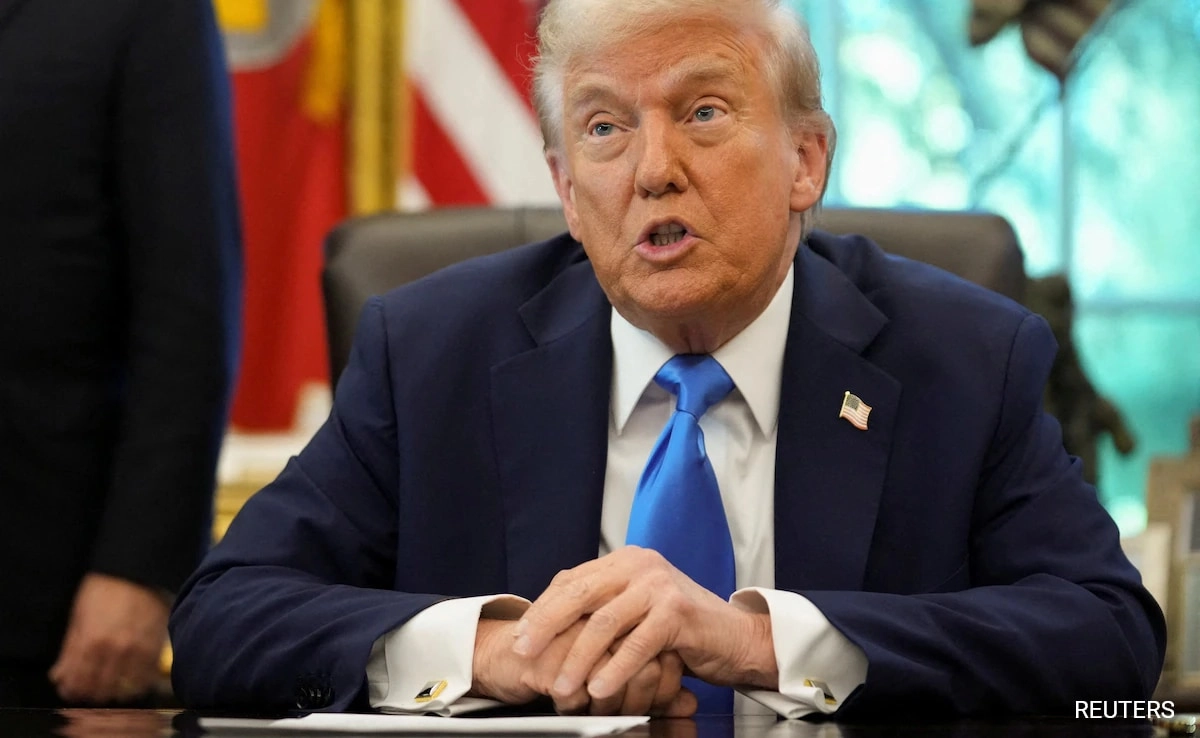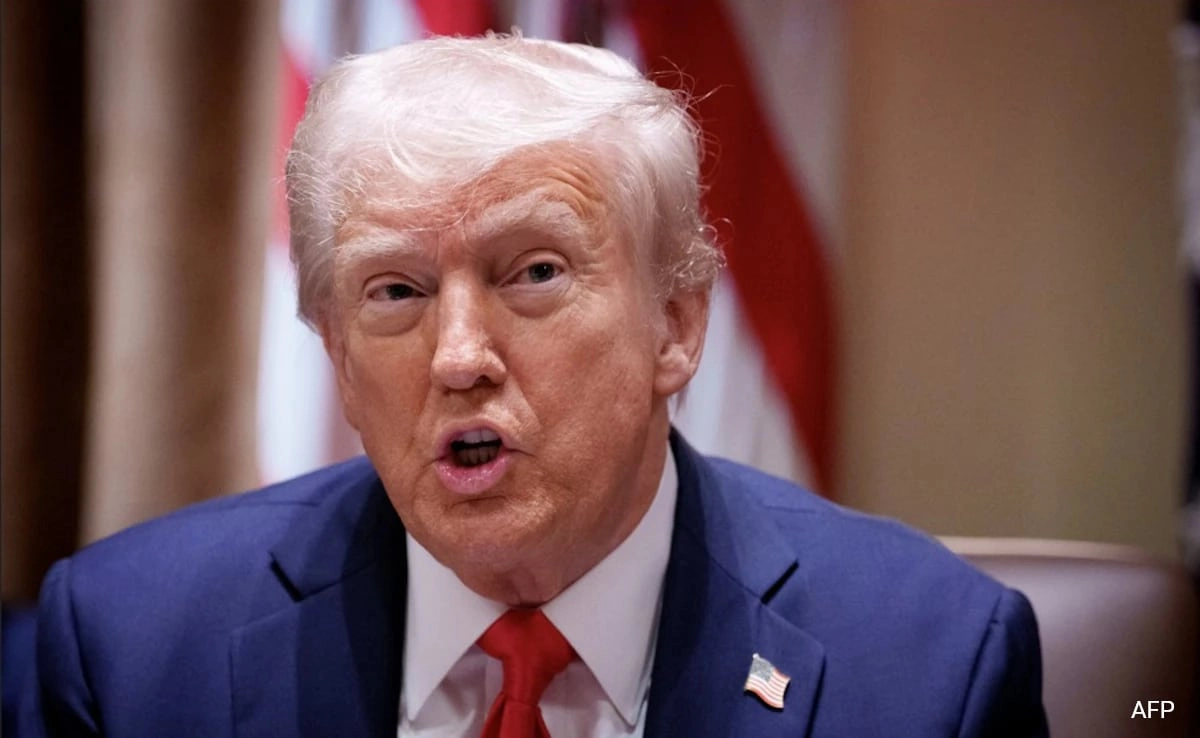
The Trump administration implemented a series of tariffs aimed at reshaping trade relations, particularly with China. These tariffs were part of a broader strategy to address perceived unfair trade practices, protect American industries, and boost domestic production. Initially, the administration imposed tariffs on steel and aluminum, followed by additional tariffs on a wide range of Chinese goods, which affected various sectors, including agriculture, manufacturing, and technology.
The tariffs sparked retaliatory measures from affected countries, leading to trade tensions that impacted global markets. As a result, agricultural producers faced challenges due to decreased exports and fluctuating prices. Moving forward, it remains to be seen how future administrations will handle these tariffs, particularly in light of changing economic conditions and international relations. There is ongoing debate about the effectiveness of these tariffs in achieving their intended goals and their long-term implications for the U.S. economy and trade relationships.
As discussions around trade policy evolve, stakeholders are closely monitoring potential adjustments and the overall impact on both domestic industries and international trade dynamics. The future of tariffs will likely depend on negotiations, economic performance, and the ability to strike a balance between protecting American interests and fostering global trade partnerships.