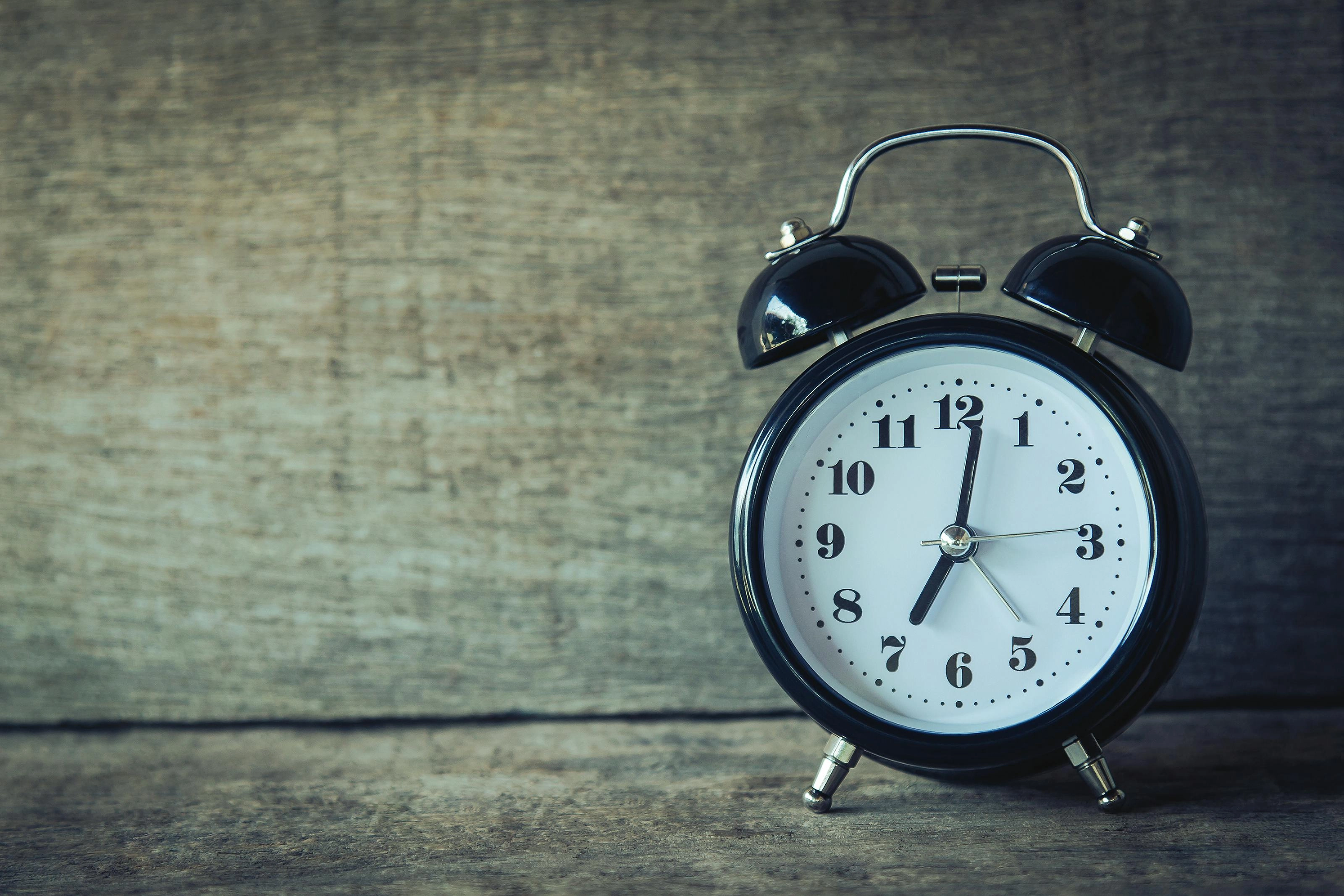
Daylight Saving Time (DST) is a practice that involves setting the clocks forward by one hour during the warmer months in order to extend evening daylight. This shift typically occurs in the spring, often referred to as “springing forward,” and is reversed in the fall when clocks are set back an hour. The history of DST dates back to World War I, when it was implemented to conserve energy. Over the years, many countries have adopted this practice to make better use of daylight, thus promoting outdoor activities in the evening and reducing reliance on artificial lighting. The significance of Daylight Saving Time lies not only in energy conservation but also in its impact on commerce, health, and lifestyle. While many people appreciate the extra daylight, it can also disrupt sleep patterns and circadian rhythms, leading to health concerns. Understanding when DST begins and ends is essential: in the United States, clocks typically spring forward on the second Sunday in March and fall back on the first Sunday in November. As debates continue over the efficacy and necessity of Daylight Saving Time, it remains a significant aspect of modern timekeeping practices, influencing everything from business hours to personal schedules.
Daylight Saving Time (DST) is a practice that involves setting the clocks forward by one hour during the warmer months in order to extend evening daylight