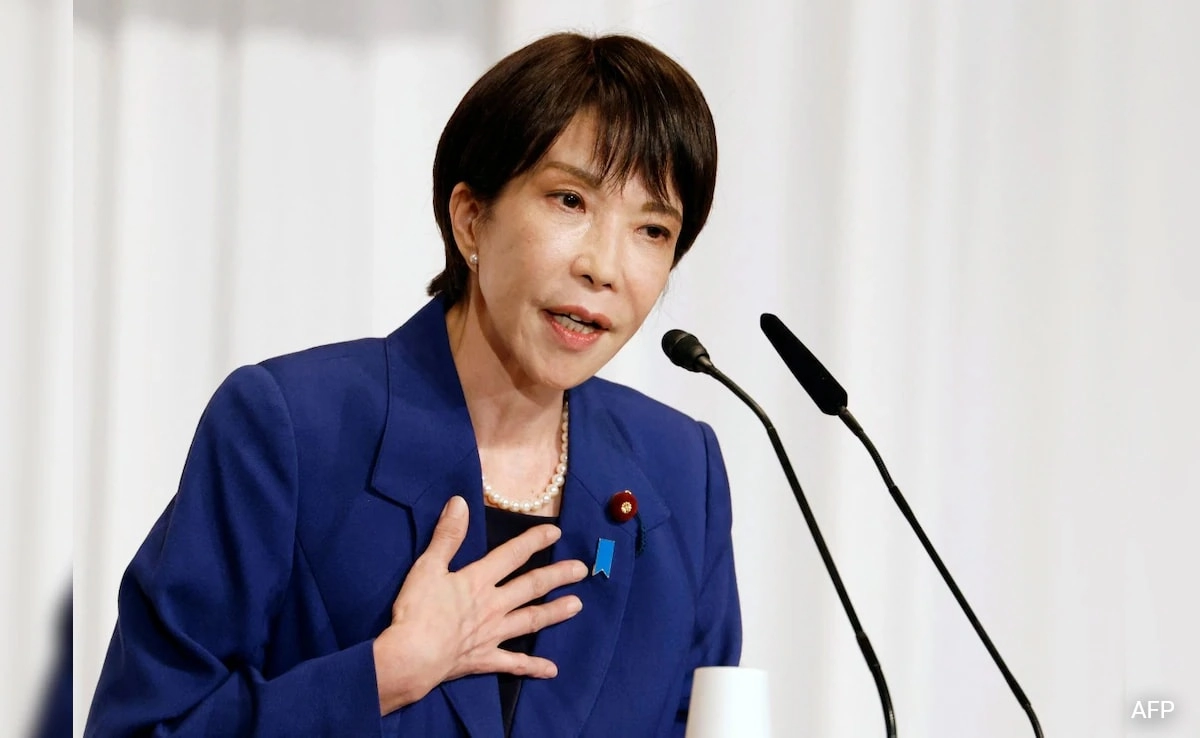
In a remarkable turn of events, Japan has witnessed a historic milestone with the emergence of its first female Prime Minister, a figure whose journey is as compelling as it is transformative. This trailblazer has not only broken the glass ceiling in a traditionally male-dominated political landscape but has also brought a unique combination of personal interests and political ideology to the forefront. Her passionate engagement with drums and biking reflects a vibrant personality that resonates with many citizens, illustrating how the intersection of personal hobbies and political life can create a relatable and dynamic leader.
Her rise to power has been marked by a strong commitment to conservative principles, which, at first glance, might seem at odds with her more unconventional pastimes. However, her ability to blend these seemingly disparate elements has allowed her to connect with a broader demographic, appealing to both younger voters drawn to her energetic spirit and traditionalists who appreciate her steadfast adherence to conservative values. This duality in her identity has not only redefined what it means to be a leader in Japan but has also opened doors for discussions about gender roles and the evolution of political engagement in a rapidly changing society.
Moreover, her ascent is indicative of a larger shift within Japan, as the country grapples with the challenges of modernity and globalization while trying to maintain its cultural identity. Her leadership style is characterized by a willingness to embrace new ideas while respecting longstanding traditions, a balancing act that resonates with many in a nation facing significant demographic and economic challenges. As she navigates her new role, her background in the arts and sports serves as a reminder that leadership can be multifaceted, and that personal passions can be harnessed to foster a more inclusive political environment.
In conclusion, the making of Japan’s first woman Prime Minister is not merely a story of political achievement; it is a narrative that intertwines personal passion with a commitment to conservatism, reflecting the complexities of modern leadership. As she continues to lead, her unique blend of interests and principles may inspire a new generation of leaders, encouraging them to embrace their individuality while striving for meaningful change in a society that is increasingly seeking representation and diversity. This historic moment marks not just a victory for women in politics, but also a potential turning point in how politics is perceived and engaged with in Japan.