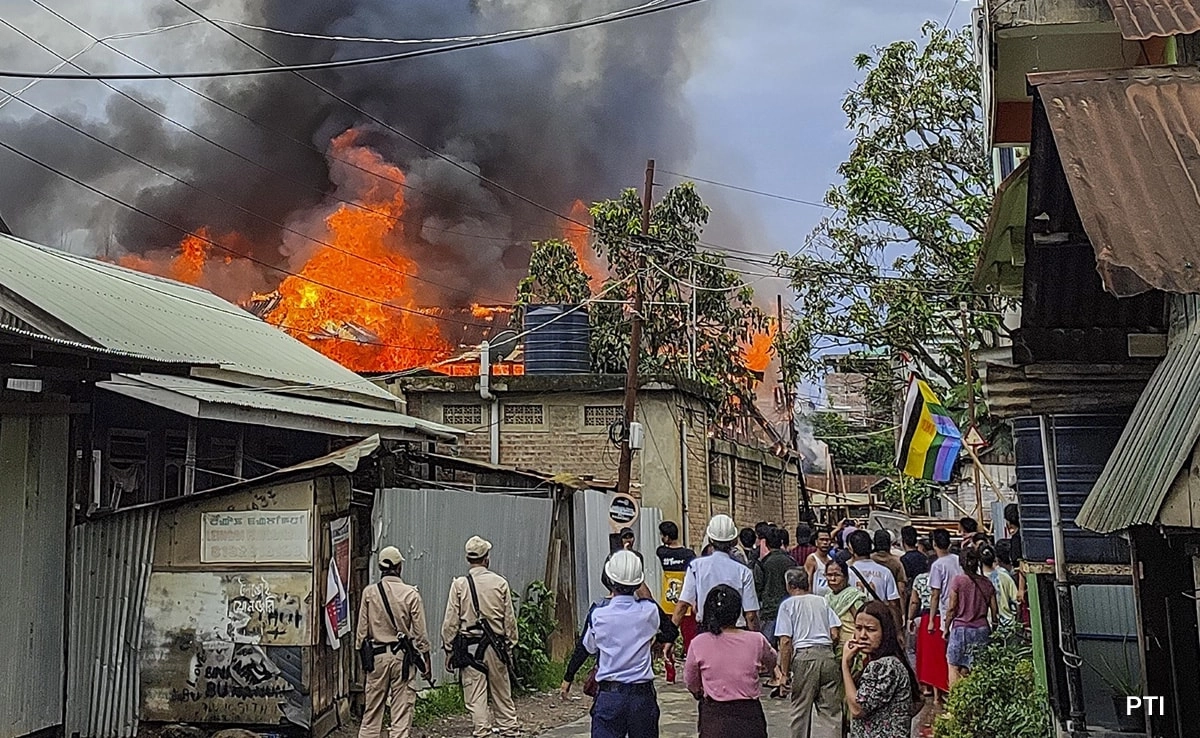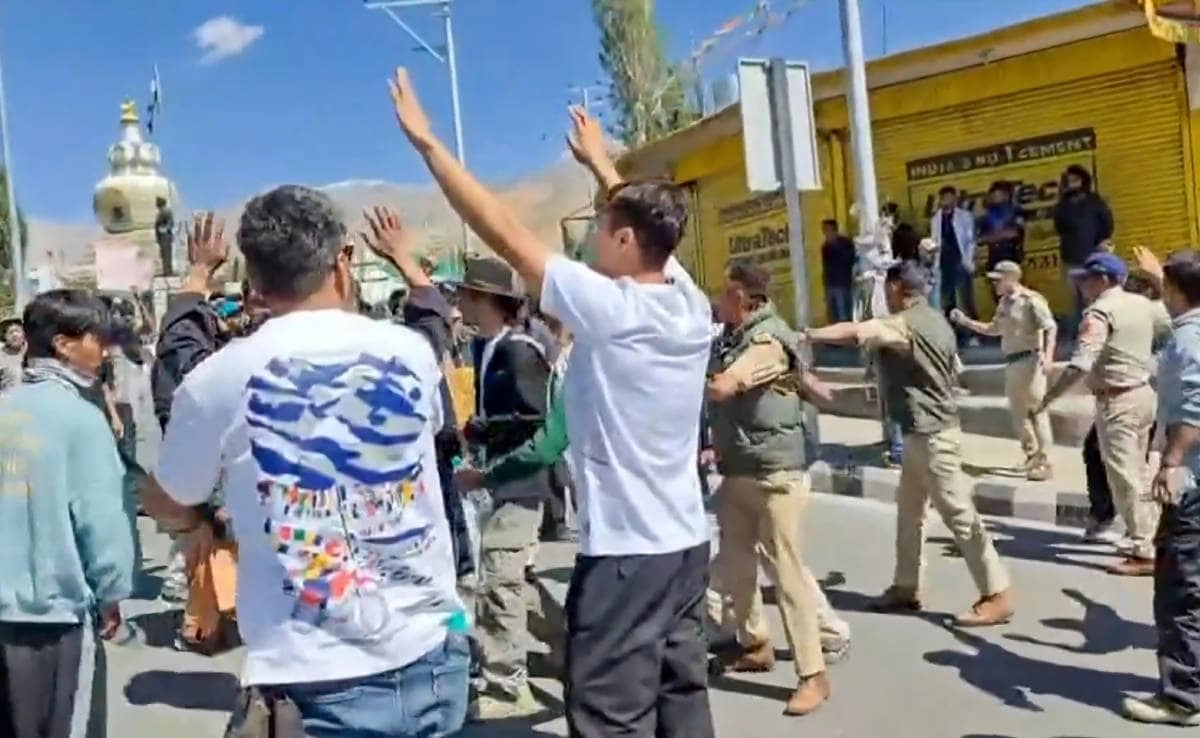
The Leh Apex Body, a prominent organization representing the interests of the people in Leh district, has recently announced its decision to withdraw from ongoing talks with the government. This decision comes in the wake of rising tensions and dissatisfaction with how the administration has handled the situation surrounding local protests. The Leh Apex Body is demanding that the government take concrete action to address the grievances of the protesters, who have been advocating for various rights and recognition of their cultural identity. The escalation of protests has highlighted significant concerns among the local population regarding governance and the preservation of their unique heritage.
The body’s withdrawal from the talks signifies a deepening rift between local leaders and the government. The Leh Apex Body has expressed that the current approach towards handling the protesters is inadequate and counterproductive. They feel that any punitive actions taken against protesters could exacerbate the situation, leading to further unrest. The organization is calling for the government to scrap any actions that could be viewed as repressive, emphasizing the need for dialogue and understanding rather than confrontation. This stance aims to foster a more collaborative atmosphere where local voices can be heard and considered in the decision-making process.
Moreover, this decision by the Leh Apex Body reflects broader issues faced by marginalized communities seeking recognition and autonomy. The protests have been a manifestation of long-standing grievances regarding cultural preservation, political representation, and economic opportunities. By withdrawing from talks, the Leh Apex Body is signaling that the current mechanisms for negotiation are failing to meet the needs of the people they represent. They insist that genuine discussions must occur without the threat of retribution hanging over those who choose to voice their dissent. As the situation unfolds, it remains to be seen how the government will respond to these demands and whether a more constructive dialogue can emerge from this impasse.