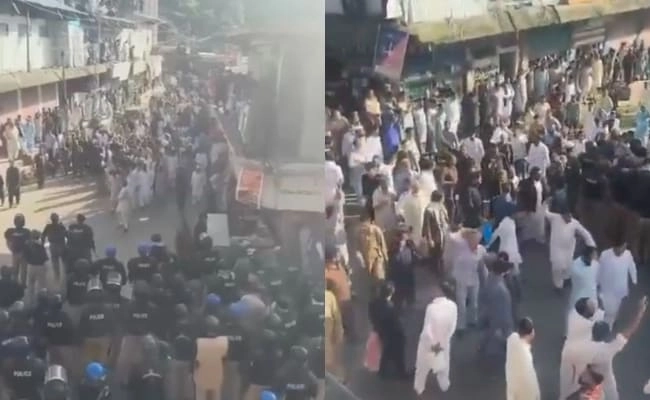
In recent weeks, large-scale protests have erupted across Pakistan-administered Kashmir (PoK) against the government led by Prime Minister Shehbaz Sharif. Thousands of residents have taken to the streets, expressing their frustrations over a range of issues that they believe the current administration has failed to address. The demonstrations reflect a growing discontent among the populace regarding economic hardships, lack of basic services, and perceived governmental neglect. Protesters have voiced their demands for better governance, accountability, and an end to corruption, which they argue has plagued the region for years.
The demonstrations have garnered significant attention, not only for their size but also for the diverse groups participating. People from various walks of life—students, workers, and civil society activists—have united in their call for change. As the protests unfold, the atmosphere has been charged with emotions, as many participants share personal stories of struggle and hardship. The situation has prompted local leaders to call for dialogue with the government, hoping to find solutions that can address the grievances of the affected populations.
As tensions continue to rise, the Shehbaz Sharif government faces a critical juncture. The protests are not merely a reflection of discontent; they are a clear signal that the people of PoK are demanding more from their leaders. With the economic landscape becoming increasingly challenging, including rising inflation and unemployment rates, the government’s ability to respond effectively to these protests will be crucial in determining its legitimacy and sustainability in power. The situation remains fluid, with the potential for further escalation if the government fails to meet the demands of its citizens.