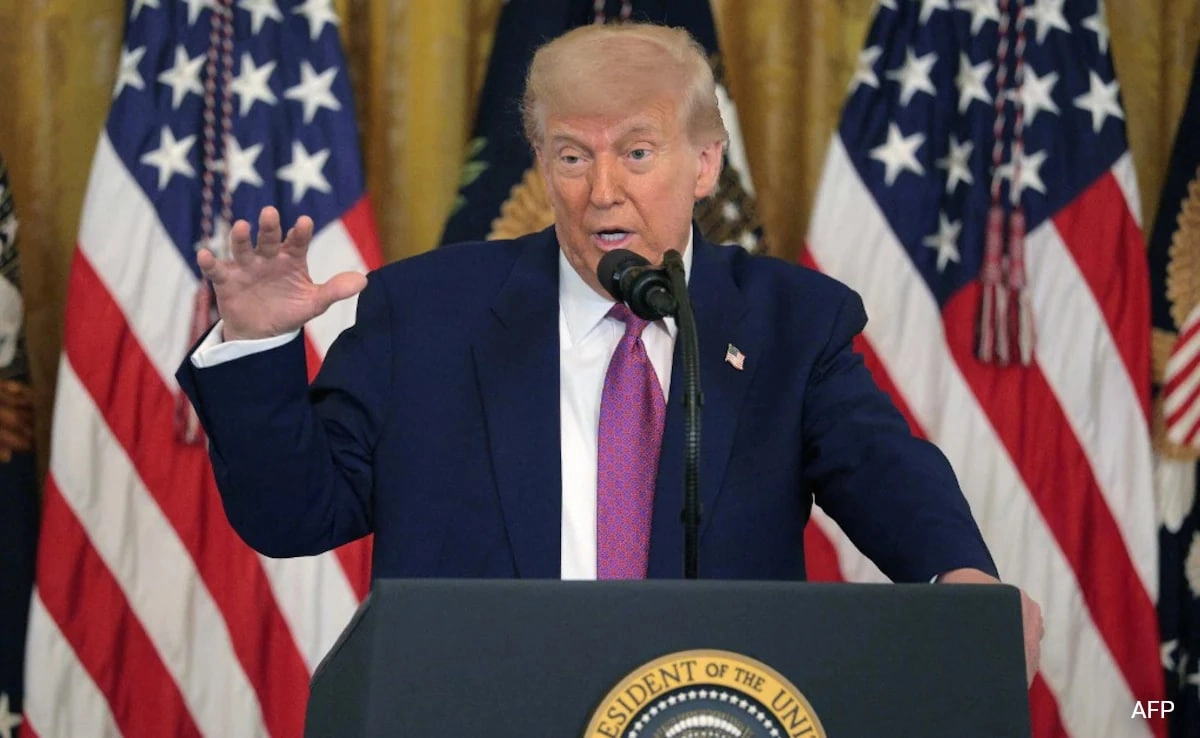
Former President Donald Trump is reportedly considering the implementation of tariffs on foreign electronics, specifically targeting products based on the number of semiconductor chips they contain. This potential policy shift appears to be part of a broader strategy to bolster domestic manufacturing and reduce reliance on foreign supply chains, particularly in the wake of global semiconductor shortages that have affected various industries, from automotive to consumer electronics. By introducing tariffs correlated to the chip count in electronic devices, Trump aims to incentivize the production of semiconductors within the United States, thereby enhancing national security and economic independence.
The proposal reflects ongoing concerns about the dominance of foreign manufacturers, especially those in countries like China and Taiwan, in the semiconductor market. The COVID-19 pandemic has highlighted vulnerabilities in global supply chains, prompting renewed discussions about the importance of self-sufficiency in critical technologies. Trump’s administration previously advocated for policies that favored American-made products, and this new tariff consideration aligns with that agenda. By imposing tariffs based on the number of chips, the former president could create a tiered system that makes it more expensive to import electronics heavily reliant on foreign chip production.
Economic experts are divided on the potential impact of such tariffs. Proponents argue that they could effectively encourage domestic production and create jobs in the semiconductor industry, while critics warn that increased tariffs could lead to higher prices for consumers and potential retaliatory measures from trading partners. The electronics market is already facing challenges due to supply chain disruptions, so any additional tariffs would need to be carefully evaluated for their long-term effects on both consumers and manufacturers. As discussions continue, the implications of these potential tariffs will likely spark debate among policymakers, economists, and industry leaders about the balance between protecting domestic interests and fostering a competitive global marketplace.
In summary, Trump’s consideration of tariffs on foreign electronics based on chip counts reflects a strategic approach to strengthen the domestic semiconductor industry amid ongoing global supply chain challenges. While the proposal has the potential to stimulate American manufacturing, it also raises concerns about consumer costs and international trade relations. As the situation develops, stakeholders will be closely monitoring the implications of such tariffs on the economy and the semiconductor landscape, both in the U.S. and abroad.