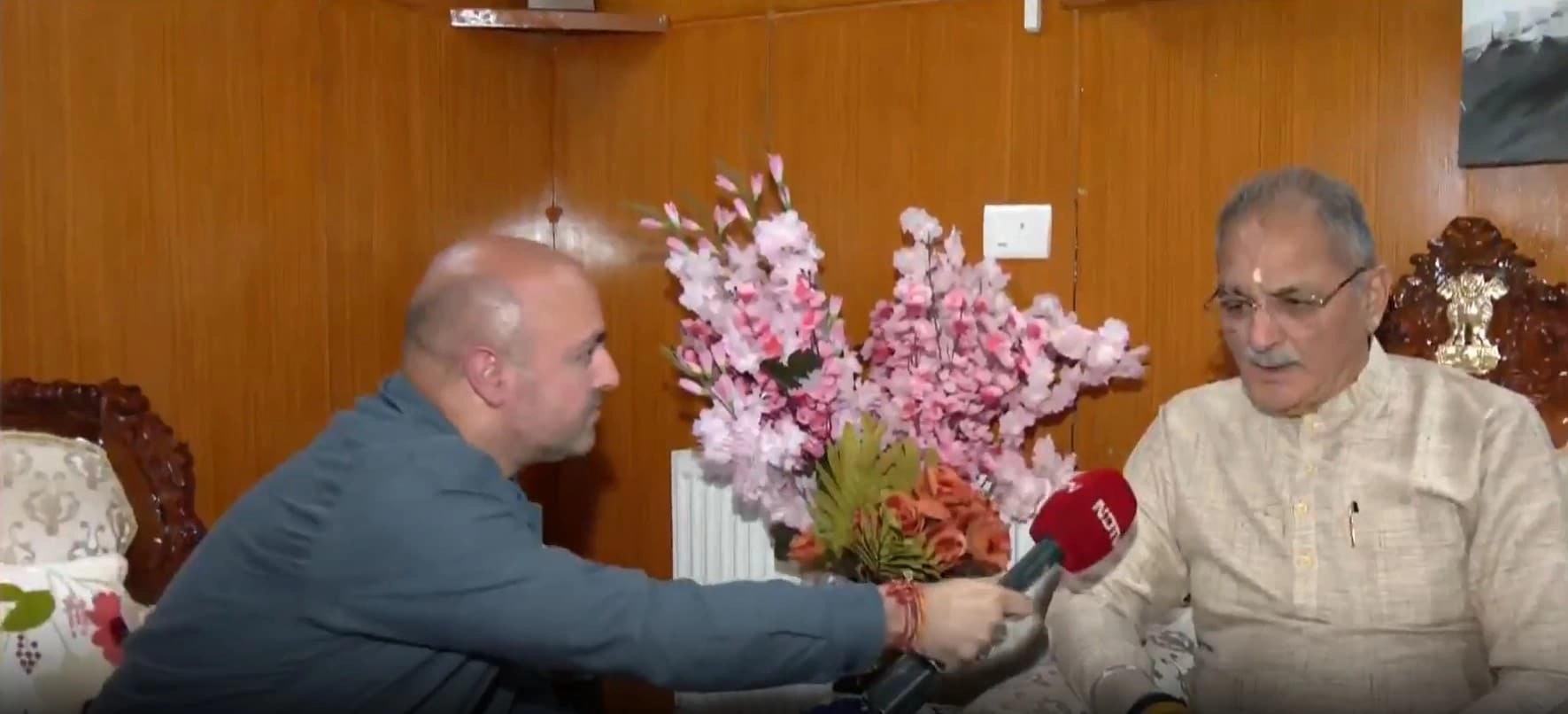
In recent statements, the Lieutenant Governor of Ladakh has emphasized the importance of the right to protest while also expressing deep concern over the tragic loss of lives during demonstrations. This warning highlights the delicate balance between exercising democratic rights and ensuring public safety. Protests are a fundamental aspect of any democratic society, serving as a platform for citizens to voice their grievances and demands. However, the recent incidents in Ladakh have underscored that with the right to protest comes the responsibility to do so peacefully and without endangering oneself or others.
The Lieutenant Governor’s remarks come in the wake of several protests that have turned violent, resulting in fatalities and widespread disruption. Such events not only raise questions about the effectiveness of the protests in achieving their objectives but also about the broader implications for societal stability. It is essential for protestors to recognize that while their voices are crucial in advocating for change, the methods of expression must remain non-violent to prevent unnecessary loss of life and uphold the integrity of the movement.
Moreover, the warning serves as a reminder for both protestors and authorities to engage in constructive dialogue. Open communication can often lead to resolutions that address the underlying issues prompting the protests, thus preventing escalation and fostering a more peaceful environment. The Lieutenant Governor’s call for careful consideration reflects a desire to navigate the complex landscape of civil rights and public safety, urging all parties involved to prioritize life and peace above all else.
As Ladakh navigates these challenging times, it is vital for the community to come together and seek common ground. The right to protest is indeed a pillar of democracy, but it must be exercised responsibly. In this context, both the government and citizens must work collaboratively to ensure that their voices are heard without compromising the safety and well-being of the community. Ultimately, the goal should be to create a society where dialogue and understanding take precedence, allowing for peaceful expressions of dissent that contribute to meaningful change.