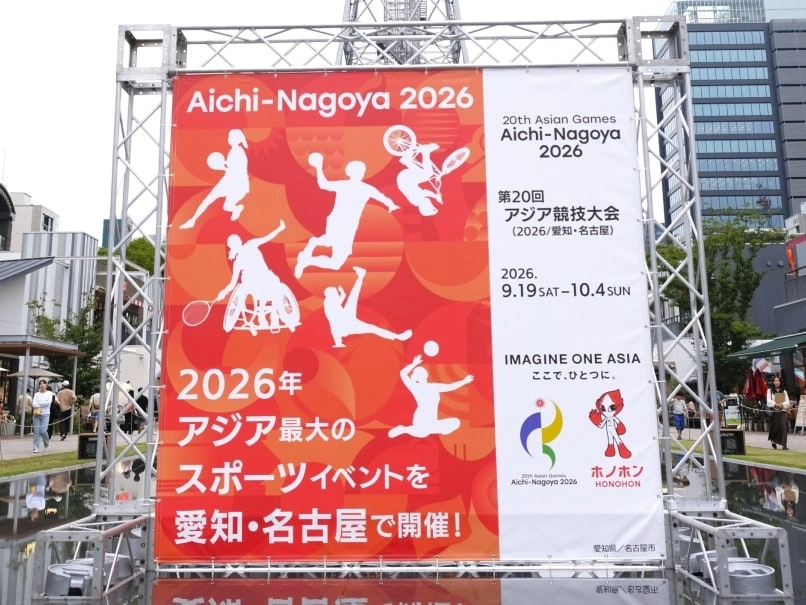
The Ministry of Youth Affairs and Sports has established clear selection criteria for athletes participating in the upcoming 2026 Asian Games. A significant aspect of these criteria is the decision to prohibit additional support staff for the athletes. This directive aims to streamline the preparation process and ensure that athletes are solely focused on their performance without the potential distractions that additional personnel can introduce. By limiting the number of support staff, the ministry intends to create an environment that emphasizes self-reliance and the importance of individual commitment among the athletes.
This move has sparked discussions within the sports community regarding the implications for athlete performance and preparation. Proponents argue that reducing the number of support personnel could lead to a more cohesive team dynamic, fostering greater accountability among athletes. They believe that this approach encourages athletes to take greater ownership of their training regimens and performance outcomes. On the other hand, critics express concerns that the absence of specialized coaches, physiotherapists, and other support staff may hinder the athletes’ ability to reach their full potential, particularly in a competitive arena like the Asian Games.
Moreover, this decision reflects a broader trend in sports management, where organizations are increasingly focusing on efficiency and cost-effectiveness. By limiting support staff, the ministry may also be looking to allocate more resources towards the training and development of the athletes themselves. This could mean investing in better training facilities, advanced technology for performance analysis, and comprehensive health and wellness programs. The emphasis on optimizing available resources is crucial, especially as nations strive to enhance their standing in international competitions.
As the preparation for the 2026 Asian Games unfolds, it will be important to monitor the impact of these selection criteria on athlete performance. Coaches and sports officials will need to adapt their strategies to ensure that athletes receive the necessary guidance and support within the constraints of the new regulations. This transition may require innovative approaches to training and teamwork, emphasizing collaboration among athletes themselves. Ultimately, the success of this initiative will depend on how well athletes can adapt to the new environment and whether they can thrive under the revised support structure.