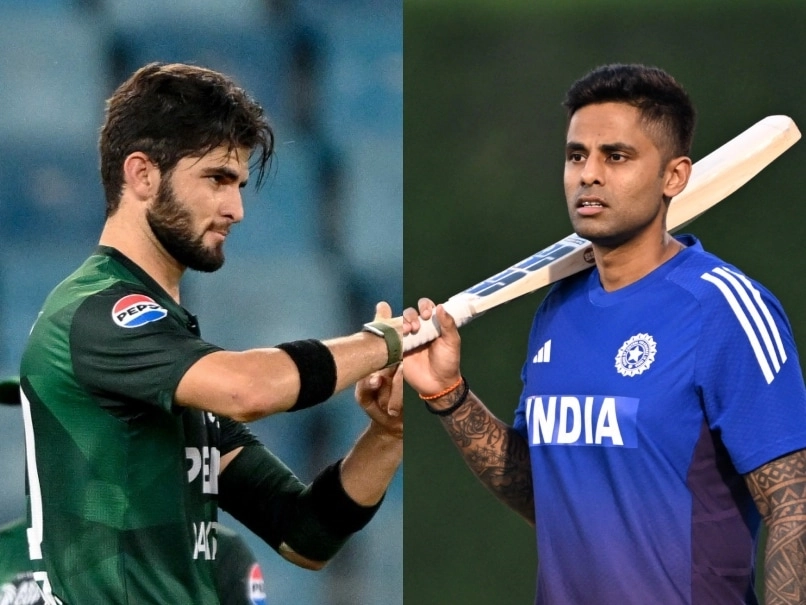
Suryakumar Yadav, the Indian cricketer known for his explosive batting style, recently made headlines by ridiculing the notion of a rivalry between India and Pakistan in cricket. This statement came during a press conference where he addressed the intense emotions and heightened expectations that surround matches between the two nations. Yadav emphasized that while the matches are significant, the media often amplifies the rivalry narrative, overshadowing the players’ focus on the game itself. He suggested that cricket should be viewed as a sport that unites rather than divides, and that the players’ primary objective is to perform well, irrespective of the opposition.
In response to Yadav’s remarks, Pakistan’s fast bowler Shaheen Afridi took to social media to express his perspective. Afridi acknowledged the historic and competitive nature of India-Pakistan matches but agreed that the spirit of the game should prevail over any rivalries. He pointed out that, as athletes, the focus should remain on delivering their best performance and enjoying the game. Afridi’s response highlights a growing trend among players to downplay the animosity that often characterizes these encounters and instead promote mutual respect and sportsmanship.
The discourse between Yadav and Afridi reflects a broader evolution in the cricketing world, where players are increasingly recognizing the importance of mental well-being and camaraderie in a sport that has long been influenced by nationalistic sentiments. Both cricketers have shown maturity in their understanding of the game, suggesting that rivalries can exist without the accompanying hostility. This shift could have a positive impact on the future of cricket, encouraging fans to appreciate the sport for its entertainment value rather than getting caught up in the divisive narratives that often accompany high-stakes matches.
Ultimately, the exchange between Yadav and Afridi is a reminder of the power of sports to bridge divides and bring people together. As cricket continues to evolve, it will be interesting to see how players navigate the complexities of national pride and competitive spirit, potentially paving the way for a new era in cricket where the focus shifts from rivalry to respect and shared passion for the game. The ongoing dialogues between players from both sides could serve as a catalyst for change, fostering a culture that prioritizes the essence of sportsmanship over historical tensions.