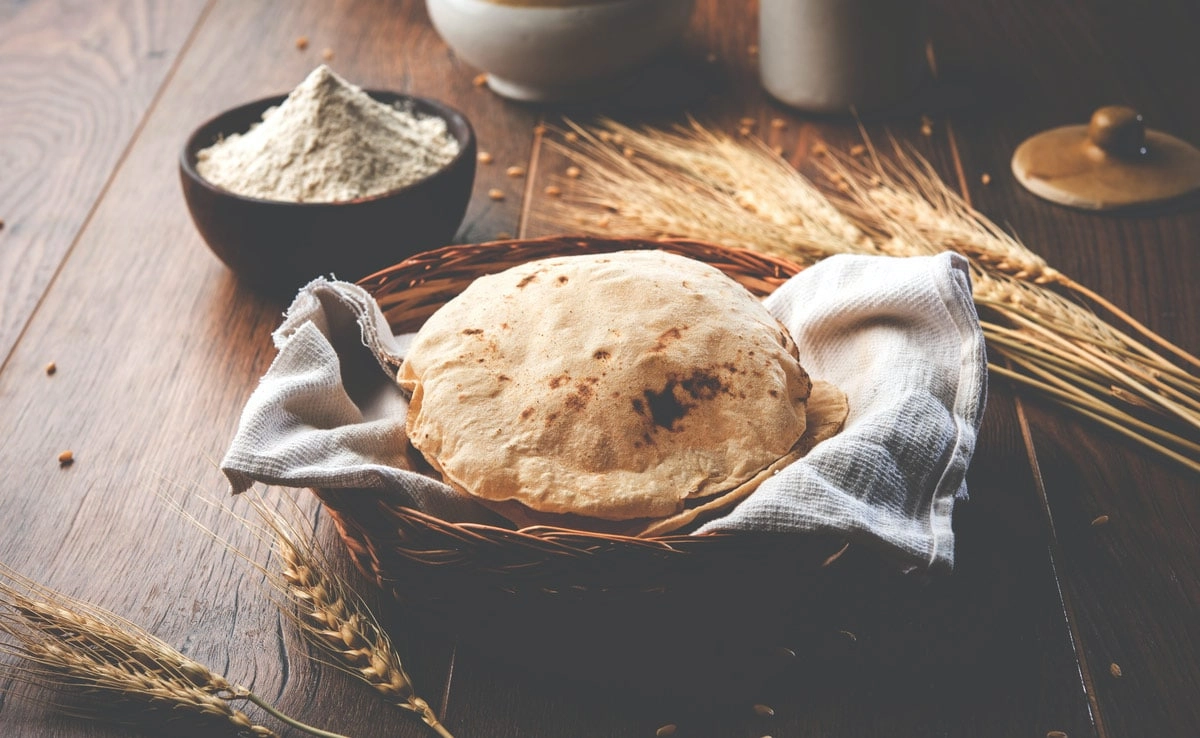
Roti, a quintessential staple in Indian cuisine, serves as more than just a food item; it is a cultural symbol that binds families and communities. If roti were to suddenly disappear, the impact on Indian meals would be profound and multifaceted. Traditionally, roti accompanies a variety of dishes, including curries, dals, and vegetables, acting as an essential vehicle for flavors. The absence of roti would necessitate a drastic shift in dietary habits, leading to increased reliance on rice or other alternatives like bread, which may not hold the same cultural significance.
Without roti, the communal aspect of dining might diminish, as families gather around to share a meal, tearing pieces of bread to scoop up food. This ritual fosters connection and togetherness. Additionally, many regional cuisines have evolved around the preparation and consumption of roti, so its disappearance could lead to the loss of traditional recipes and practices.
Moreover, the economic implications would be noticeable. Farmers and producers who cultivate wheat would face significant challenges, impacting livelihoods and local economies. The dietary shift might also affect health, as roti is a source of whole grains, and moving to less nutritious alternatives could lead to health issues.
In essence, the disappearance of roti would not only change the landscape of Indian meals but would also ripple through cultural, economic, and social dimensions, altering the very fabric of culinary traditions in India.