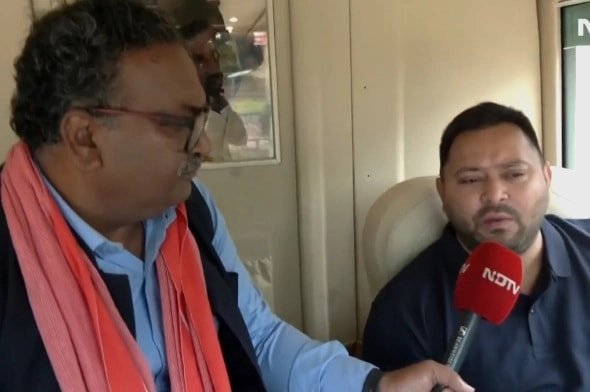
Tejashwi Yadav, the leader of the Rashtriya Janata Dal (RJD) in Bihar, has made a decisive statement regarding the party’s participation in upcoming elections. He has firmly indicated that the RJD will not contest the polls unless a clear chief ministerial candidate is presented. This stance highlights the party’s strategy to consolidate its position in the political landscape of Bihar, where leadership identity plays a critical role in influencing voter sentiment. By emphasizing the need for a chief ministerial face, Yadav aims to provide the electorate with a recognizable and accountable leader, which is essential for garnering public support.
In the context of Bihar’s political dynamics, Tejashwi’s assertion reflects a broader trend among political parties to present strong, charismatic leaders who can resonate with the masses. The absence of a well-defined leader can lead to voter apathy and confusion, ultimately affecting electoral outcomes. Yadav’s strategy is likely aimed at avoiding the pitfalls experienced in previous elections, where the lack of a unifying figure may have resulted in diluted votes and weakened party performance. By putting forth a chief ministerial candidate, the RJD seeks to create a focal point around which supporters can rally, thereby enhancing its electoral strategy.
As the political landscape continues to evolve, Tejashwi Yadav’s declaration also signals a commitment to transparency and accountability within the party. The emphasis on a chief ministerial face is not merely a tactical maneuver; it reflects a deeper understanding of the electorate’s desire for leadership that is relatable and trustworthy. In a state like Bihar, where socio-economic issues and governance challenges persist, having a recognized leader at the helm can significantly impact public perception and trust in the political process. Thus, Yadav’s position could potentially reshape the way parties approach elections in the region, emphasizing the importance of leadership in mobilizing voters and securing electoral success.
In conclusion, Tejashwi Yadav’s statement about not contesting the polls without a chief ministerial face underscores a strategic approach that recognizes the critical role of leadership in electoral politics. By prioritizing the identification of a strong candidate, the RJD aims not only to strengthen its position in Bihar but also to address the broader concerns of voters who seek credible and capable leadership amidst ongoing challenges. This move may very well set the tone for the upcoming elections, as parties across the political spectrum reassess their strategies in light of the importance of leadership visibility and voter engagement.