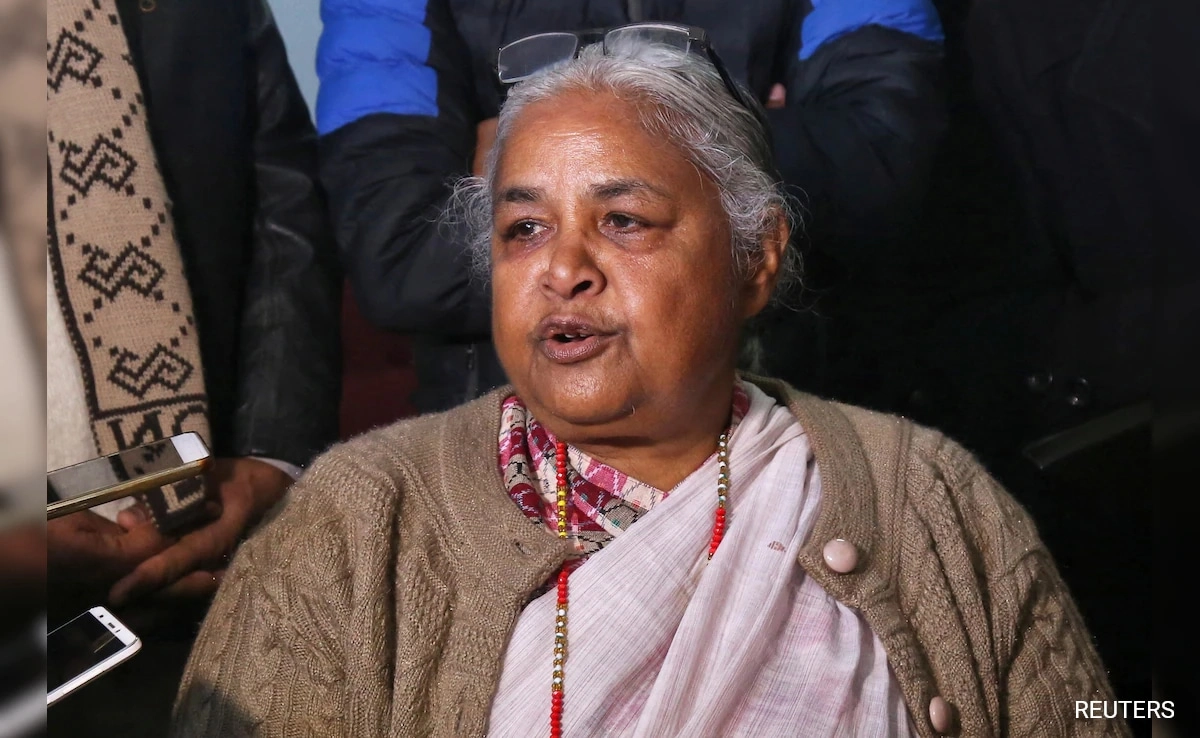
In a dramatic turn of events in Nepal’s judicial landscape, Sushila Karki, the country’s first female Chief Justice, faced the threat of dismissal from her position by former Prime Minister Sher Bahadur Deuba. This situation highlighted the ongoing tensions between the judiciary and the political sphere in Nepal. Karki, who took office in 2016, was seen as a trailblazer for women’s representation in the judicial system. Her tenure, however, was not without controversy. The former Prime Minister’s attempt to remove her raised significant concerns regarding the independence of the judiciary and the potential politicization of judicial appointments in Nepal.
The conflict surfaced amidst ongoing criticisms of the judiciary’s role and its relationship with the executive branch. Deuba’s move to dismiss Karki was perceived by many as an attempt to exert control over the judiciary, a sentiment that sparked widespread protests and outcry from civil rights advocates and legal experts. They argued that such actions undermined the rule of law and threatened the foundational principles of democracy in Nepal. Karki’s supporters rallied in her favor, emphasizing the importance of an independent judiciary that operates free from political interference. The situation became a focal point for discussions about the necessary safeguards required to ensure the judiciary can function autonomously.
As the nation grappled with this political drama, Karki remained steadfast in her commitment to judicial integrity. She emphasized the need for the judiciary to uphold justice without fear or favor, reinforcing her role as a guardian of the constitution. This incident not only underscored the fragility of judicial independence in Nepal but also prompted a broader conversation about the challenges faced by women in leadership positions within the country. Karki’s experience served as a reminder of the systemic obstacles that continue to hinder progress toward gender equality, particularly in spheres traditionally dominated by men.
Ultimately, the attempt to remove Karki from her position was met with a strong backlash, reflecting the public’s desire to protect judicial independence. The incident catalyzed discussions about the need for reforms to ensure that the judiciary remains insulated from political pressures. It also sparked renewed calls for greater representation of women in all levels of government and the judiciary, as advocates pushed for a more equitable system. Karki’s story is emblematic of the broader struggles for justice and equality in Nepal, highlighting the critical intersection of gender, politics, and law in the pursuit of a fair and just society.