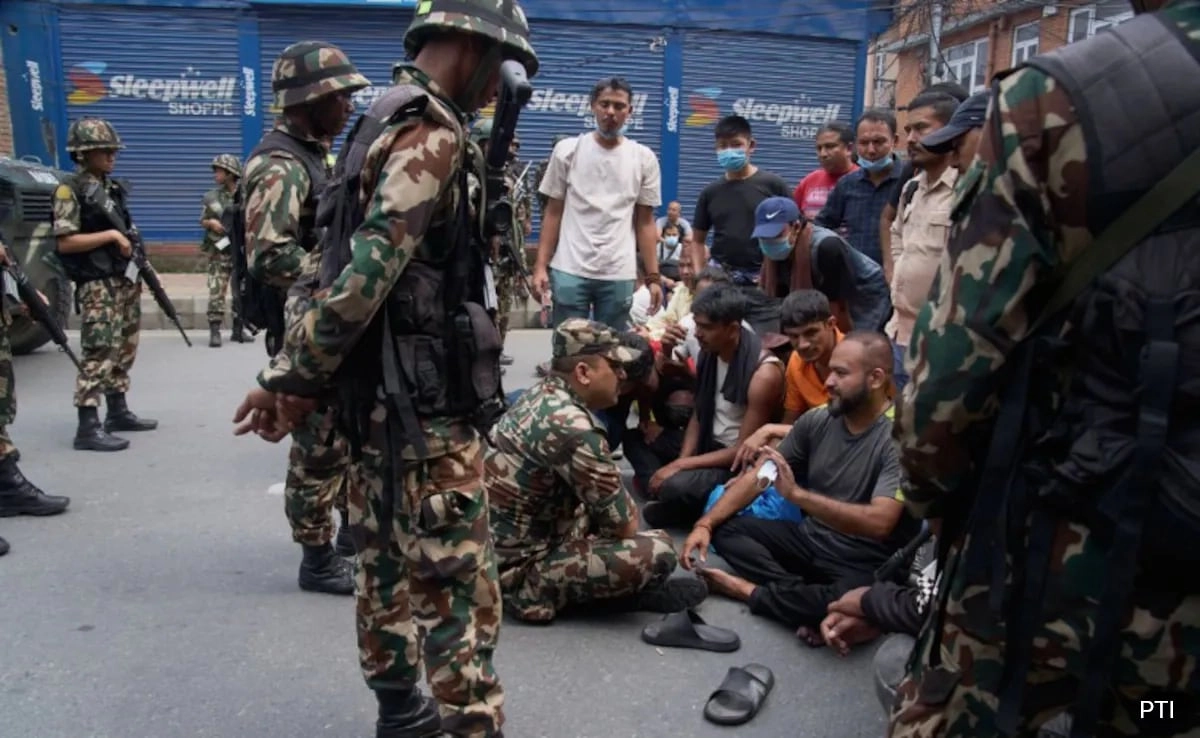
In recent years, the youth of Nepal, particularly Generation Z, have begun to assert their political voice, expressing a desire for significant changes in the country’s governance. One of the most notable demands from this demographic is the establishment of a Hindu Rashtra, or a Hindu nation. This aspiration reflects a growing sentiment among some young people who believe that a national identity rooted in Hindu culture and values could unify the diverse ethnic and religious groups within Nepal. They argue that adopting a Hindu Rashtra could help preserve the nation’s rich heritage and ensure that traditional customs are respected and celebrated in the face of globalization and modern influences.
In addition to the call for a Hindu Rashtra, Gen Z in Nepal is also advocating for a change in political leadership structures. A prominent demand is the limitation of prime ministerial terms to a maximum of two. This proposal stems from frustrations over political dynasties and the perception that long-serving leaders have become disconnected from the needs and aspirations of the younger population. By instituting term limits, the youth hope to foster a more dynamic political environment that encourages fresh ideas and perspectives, ultimately leading to a more responsive and accountable government.
These demands from Gen Z highlight a broader trend of youth activism in Nepal, as young people increasingly engage with political issues that directly affect their lives. With a significant portion of the population being under 30, their voices are crucial in shaping the future of Nepal’s political landscape. Social media platforms have played a pivotal role in mobilizing this generation, allowing them to share their views, organize protests, and connect with like-minded individuals across the country. As the younger generation pushes for these changes, it becomes evident that their vision for Nepal is one that prioritizes both cultural identity and progressive governance.
The interplay between tradition and modernity is at the heart of these demands. While many in Gen Z are eager to preserve their cultural roots, they also recognize the importance of adapting to contemporary challenges. In a rapidly changing world, the desire for a Hindu Rashtra must be balanced with inclusive policies that respect the rights of all citizens, regardless of their background. Striking this balance will be crucial for fostering national unity and ensuring that Nepal’s diverse populace feels represented and valued in the political arena. As these discussions unfold, the engagement of young people in politics will undoubtedly shape the future trajectory of the nation.