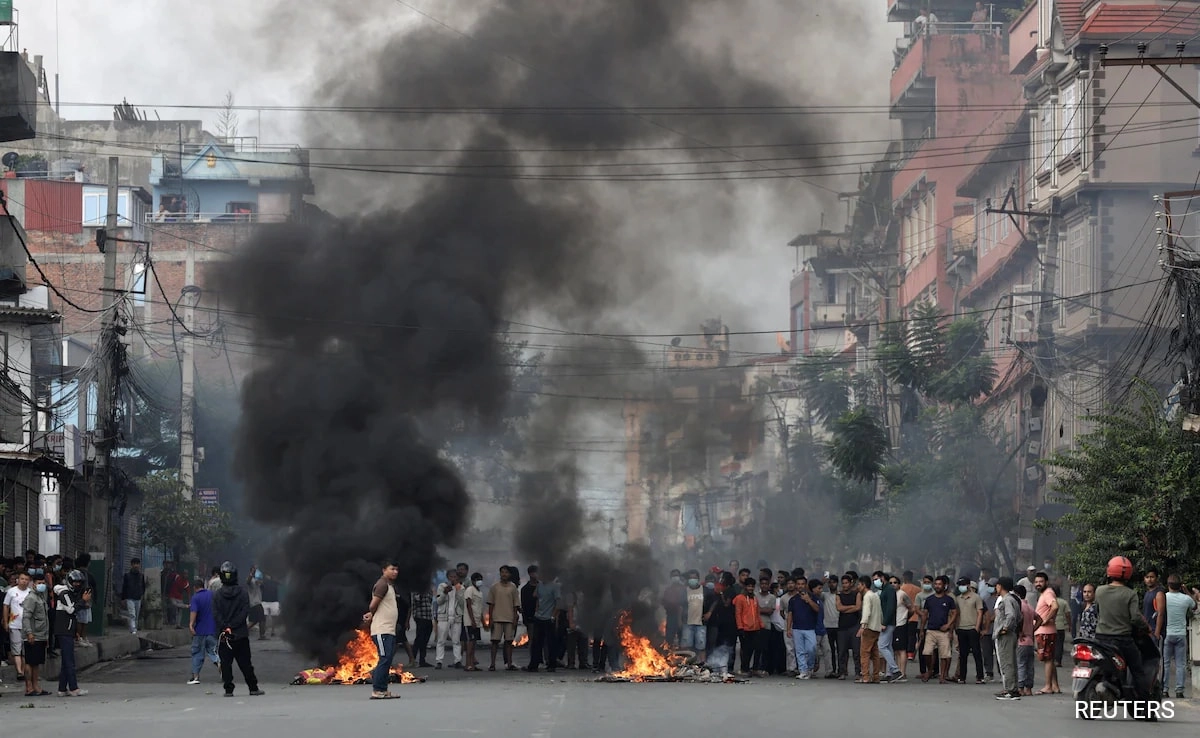
The recent turmoil in Nepal, marked by widespread protests and public outrage, can be attributed to a complex interplay of corruption and nepotism, which has been simmering beneath the surface for years. The term “Nepo Baby” has gained traction in discussions about the political landscape, highlighting how entrenched elites continue to wield power, often at the expense of meritocracy and public trust. This phenomenon isn’t just a fleeting concern; it represents a systemic issue that has led to widespread disillusionment among the populace, particularly the youth who feel increasingly marginalized and frustrated by their leaders’ inability to address pressing issues.
Corruption in Nepal has deep roots, with many politicians and their families benefiting from a culture that favors connections over competence. This has created a political environment where accountability is often an afterthought, and public resources are mismanaged or siphoned off for personal gain. As citizens witness the stark contrast between the opulence of the political elite and their own struggles for basic needs, the sense of betrayal grows. The public’s patience has worn thin, culminating in protests that demand not only accountability but also a complete overhaul of the political system that has perpetuated this cycle of corruption and nepotism.
Moreover, the anger directed at the ruling elite is not merely about individual grievances; it reflects a broader desire for systemic change. The youth, who represent a significant portion of the population, are increasingly vocal about their dissatisfaction with a political framework that seems to prioritize familial ties over qualified leadership. This generational divide is crucial, as it underscores the urgent need for reform in governance and the establishment of a more equitable system that allows for new voices and ideas to emerge. The current meltdown in Nepal, therefore, can be seen as a culmination of years of pent-up frustration, pushing citizens to demand a future where transparency, justice, and opportunity are not just ideals but realities.
In conclusion, the situation in Nepal serves as a stark reminder of the consequences of unchecked corruption and nepotism. The public’s reaction is a clarion call for reform, signaling that the status quo is no longer acceptable. As the nation grapples with its challenges, there is an opportunity for genuine dialogue and change. It is imperative for leaders to recognize the urgency of these demands and work toward a more inclusive and accountable governance model that addresses the concerns of all its citizens, particularly the youth who are poised to shape the future of the country.