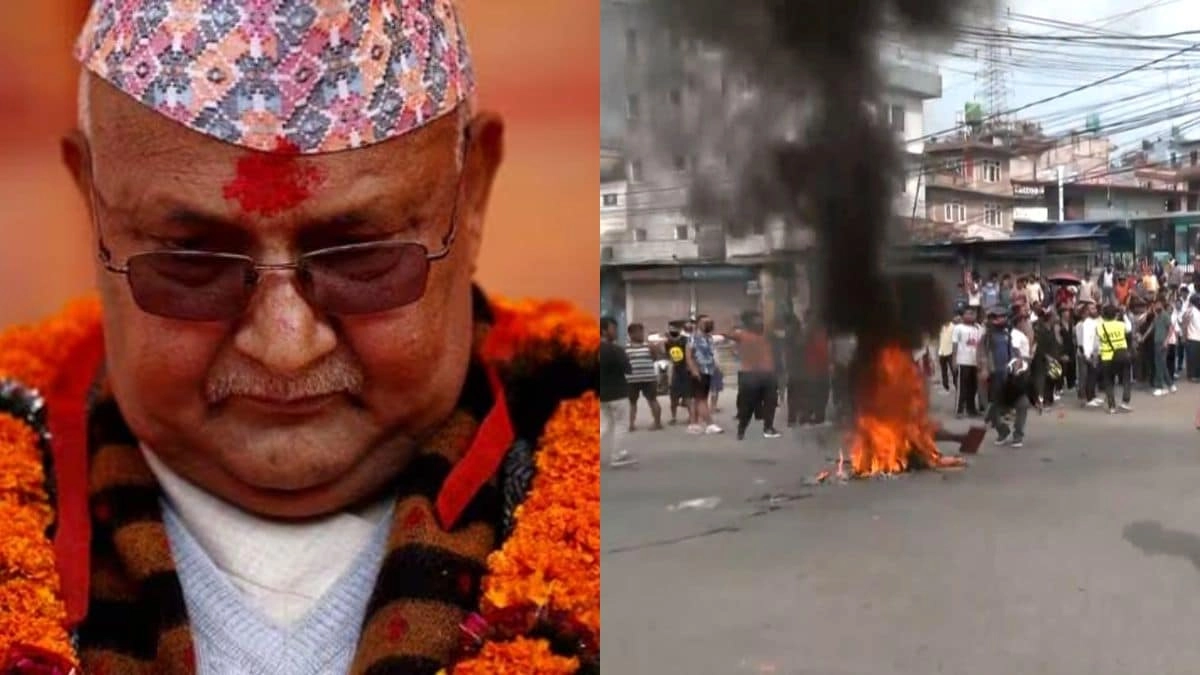
In a dramatic turn of events, Nepal’s Prime Minister has resigned amid escalating anti-corruption protests that have gripped the nation. The decision comes in response to widespread public outrage over rampant corruption and mismanagement within the government, which has sparked a series of demonstrations across major cities. Protesters, fueled by frustration and a desire for accountability, have taken to the streets, demanding not only the resignation of the Prime Minister but also systemic changes to address the deep-rooted issues plaguing the political landscape.
The protests have intensified over recent weeks, with thousands of citizens participating in rallies that have often turned chaotic. Demonstrators have clashed with law enforcement, leading to confrontations that have resulted in injuries and arrests. The atmosphere in the streets has been charged with anger, as citizens express their disillusionment with a political system perceived as corrupt and ineffective. The Prime Minister’s resignation marks a significant moment in Nepalese politics, reflecting the public’s growing impatience for leaders who prioritize transparency and integrity.
Following the resignation, questions loom regarding the future of the government and the potential for political stability in the country. The Prime Minister’s departure has left a power vacuum, prompting discussions about who will step in to lead the nation during this turbulent time. Many citizens are hopeful that this moment could serve as a catalyst for reform, pushing for leaders who are committed to fighting corruption and restoring public trust in the government. The protests may have started as a response to specific grievances, but they have evolved into a broader movement advocating for change in governance and accountability.
As Nepal navigates this uncertain political landscape, the eyes of the nation remain fixed on the streets, where citizens continue to rally for their demands. The situation serves as a reminder of the power of collective action, as the people of Nepal strive to reclaim their voice and influence the direction of their government. The aftermath of these protests will likely shape the country’s political future, highlighting the need for genuine reform and a renewed commitment to ethical governance. The resignation of the Prime Minister is not just an end, but potentially the beginning of a new chapter in Nepal’s ongoing struggle against corruption and for democratic integrity.