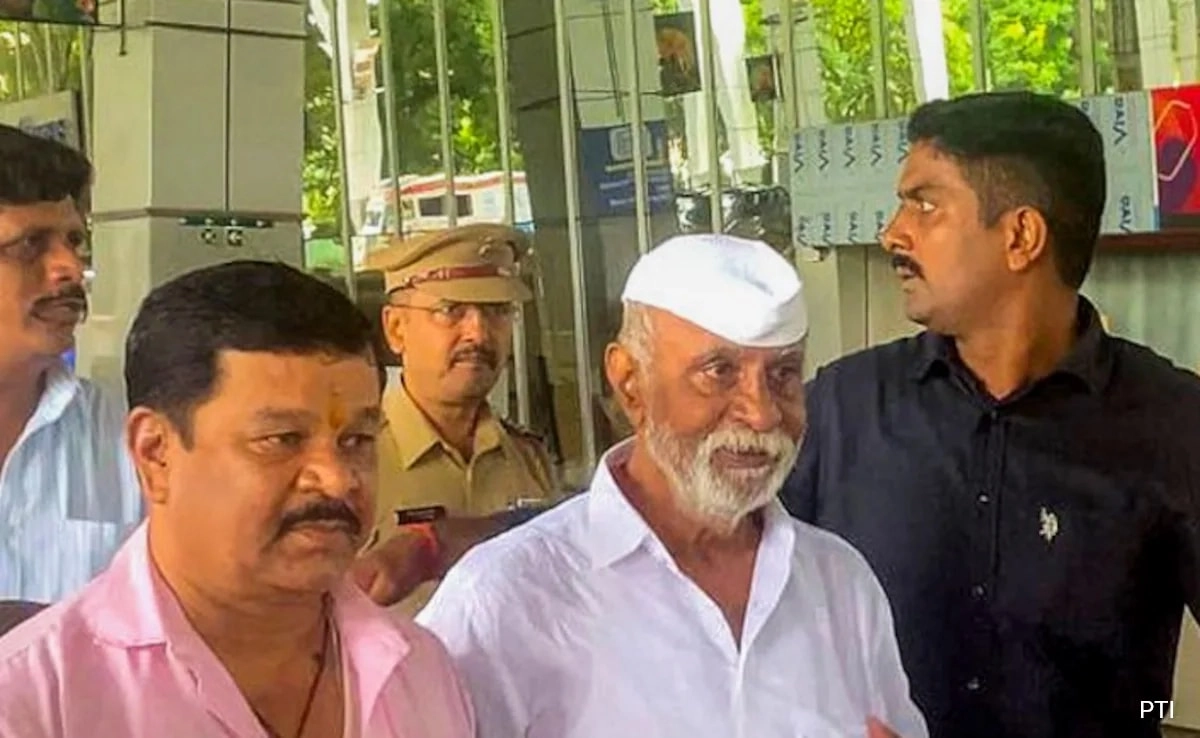
Arun Gawli, a notorious gangster and former politician, has recently been granted bail after spending 17 years in jail for his involvement in a high-profile murder case. His release marks a significant moment in Mumbai’s underworld narrative, reflecting both the complexities of the Indian legal system and the long-standing impact of organized crime on society. Gawli, once a prominent figure in the city’s criminal landscape, was convicted in 2008 for his role in the murder of a rival gangster. His time behind bars has been characterized by a series of legal battles, showcasing the difficulties faced by individuals entangled in the web of crime and the law.
Throughout his incarceration, Gawli has remained a controversial figure, often discussed in relation to his dual identity as both a gangster and a politician. His foray into politics was marked by a bid to redefine his image and distance himself from his criminal past. Gawli’s rise within the political sphere highlights the blurred lines between crime and governance in Mumbai, where many criminals have historically sought to legitimize their influence through political means. His release, therefore, raises questions about the long-term implications for law enforcement and the ongoing struggle against organized crime in the region.
The decision to grant bail after such a lengthy sentence has sparked mixed reactions among the public and law enforcement officials alike. Advocates for justice express concern over the potential for Gawli to re-enter the criminal world, while others argue for the need to reform the penal system to address issues of rehabilitation. As Gawli steps back into society, the spotlight will inevitably turn to how he navigates his newfound freedom and the impact of his past on his future endeavors. This pivotal moment serves as a reminder of the persistent challenges faced by communities dealing with the legacy of organized crime and the complexities of reintegrating former criminals into society.