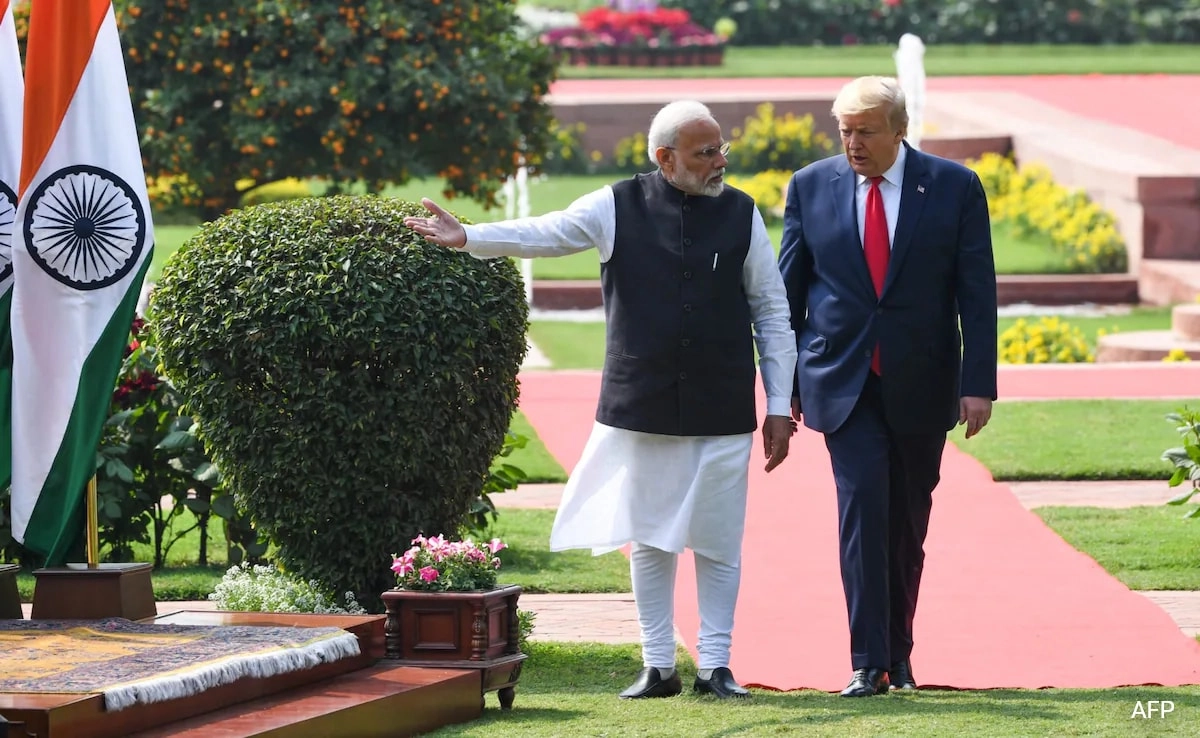
In recent years, American multinational companies such as Pepsi and McDonald’s have found themselves navigating a complex landscape marked by rising nationalist sentiments and protectionist policies, particularly in India. The implementation of tariffs by the Trump administration has only intensified these challenges, prompting these giants to reassess their business strategies in key markets. The “Swadeshi” movement, which advocates for the use of local products and services, has gained traction, influencing consumer preferences and pushing foreign companies to adapt or risk losing market share.
PepsiCo, for instance, has had to tailor its product offerings to resonate with Indian consumers who increasingly prioritize local brands and traditional flavors. This shift is not merely a response to tariffs but reflects a broader societal trend where consumers are embracing indigenous products as a means of supporting local economies. Similarly, McDonald’s has faced scrutiny over its menu choices, which have been adapted to cater to Indian tastes, including vegetarian options that align with cultural preferences. The fast-food giant has recognized the need to localize its offerings to maintain relevance in a market that is becoming increasingly resistant to foreign influence.
As these American corporations grapple with the dual pressures of tariffs and rising nationalism, they must also navigate a complex regulatory environment. The Indian government has been promoting initiatives aimed at bolstering local industries, further complicating the operational landscape for foreign entities. Companies are now encouraged to invest in local supply chains and manufacturing processes, which not only helps them align with government policies but also enhances their brand image among Indian consumers. This shift towards localization can be seen as a pragmatic response, allowing these corporations to remain competitive while simultaneously supporting India’s economic growth.
The challenges posed by the Swadeshi movement and tariffs are not insurmountable for these U.S. giants, but they do require a fundamental shift in approach. To thrive in this evolving environment, companies like Pepsi and McDonald’s must embrace a strategy that balances global branding with local adaptation. This means fostering relationships with local suppliers, understanding cultural nuances, and responding to consumer demands for authenticity. By doing so, they can not only mitigate the impact of tariffs and nationalist sentiments but also position themselves as integral players in the Indian market, ultimately leading to a more sustainable and profitable business model in the long run.