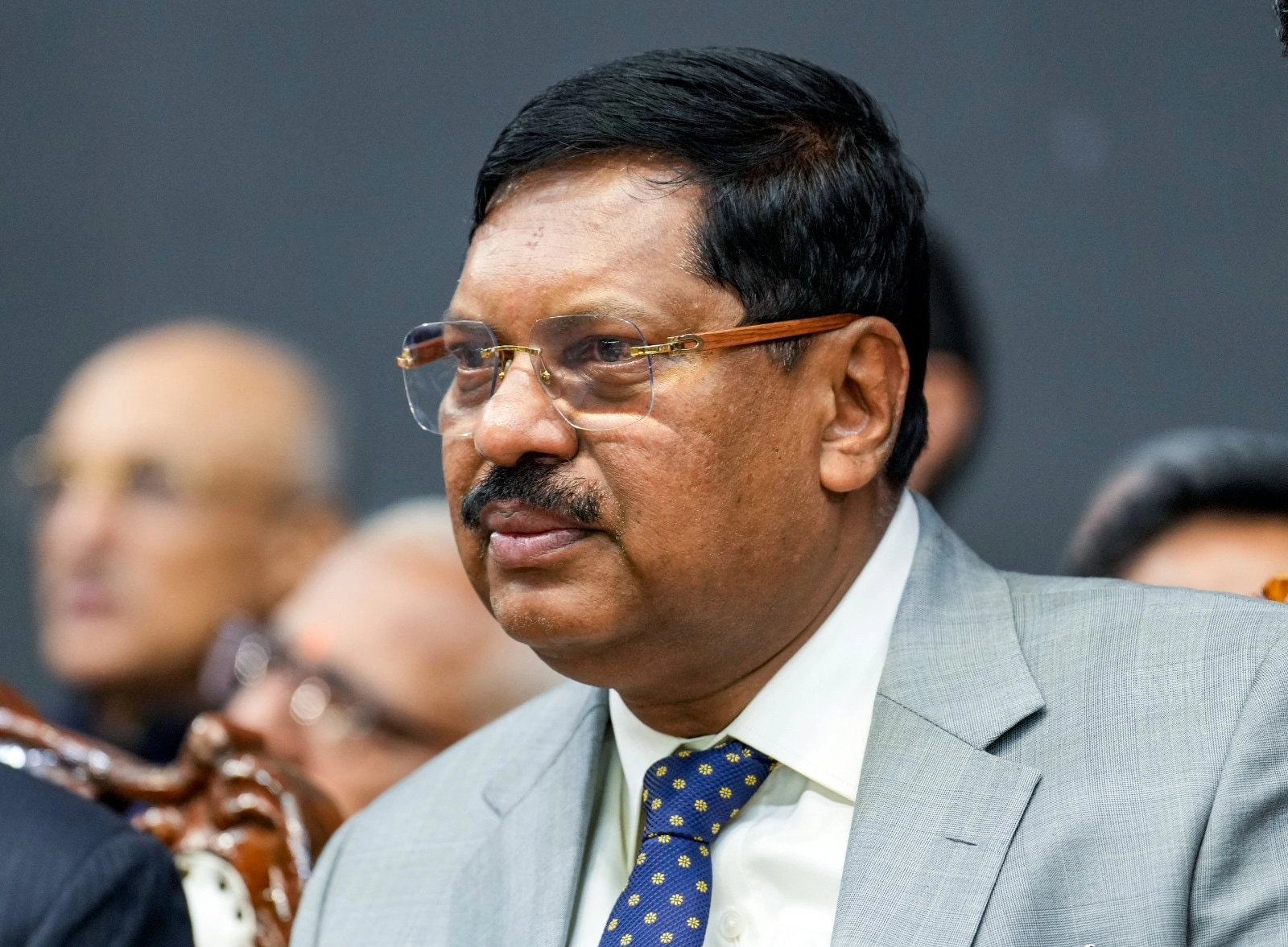
Former Jammu and Kashmir Chief Minister Omar Abdullah has raised concerns regarding the decision to continue the Vaishno Devi pilgrimage despite the tragic occurrence of a landslide that claimed the lives of 34 individuals. The incident, which highlights the potential dangers associated with the pilgrimage, has sparked a renewed debate about safety protocols and the management of such religious gatherings. Abdullah’s inquiry underscores the need for a thorough examination of the measures in place to protect pilgrims, particularly during adverse weather conditions or when the natural landscape poses risks.
The Vaishno Devi pilgrimage, one of the most revered religious journeys in India, attracts millions of devotees each year. However, the influx of pilgrims can lead to overcrowding and strain on infrastructure, which may exacerbate the risks during natural disasters. Abdullah’s questioning of the authorities’ decision to allow the pilgrimage to continue raises critical issues regarding the balance between religious devotion and public safety. It is essential for the government and pilgrimage organizers to prioritize the well-being of devotees and ensure that adequate safety measures are implemented to prevent such tragedies from recurring.
In light of this incident, it is imperative for the relevant authorities to conduct a comprehensive review of the pilgrimage management system. This includes assessing the terrain, weather conditions, and emergency response capabilities. Abdullah’s call for accountability and transparency is a crucial step toward enhancing safety protocols and ensuring that future pilgrimages can be conducted without compromising the lives of those who undertake the journey. The tragic loss of life serves as a somber reminder of the responsibilities that come with organizing large-scale events, particularly in areas susceptible to natural hazards.
Ultimately, the Vaishno Devi pilgrimage is a significant cultural and spiritual event for many, but it is essential to recognize the inherent risks involved. By addressing these concerns and implementing robust safety measures, the authorities can help safeguard the lives of pilgrims while still allowing them to engage in their spiritual practices. Abdullah’s advocacy for a thorough reassessment of pilgrimage safety underscores the importance of prioritizing human life and well-being in the face of devotion and faith.