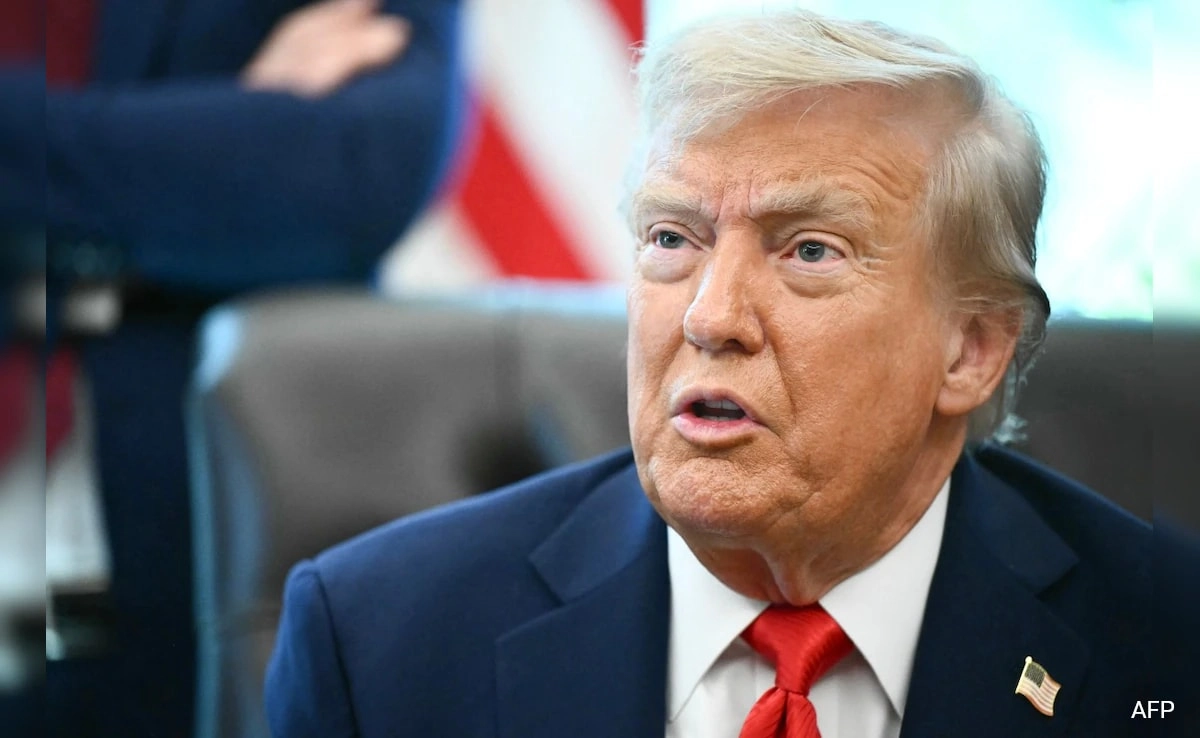
In a surprising turn of events, members of a U.S. emergency response team faced suspension after a letter they authored expressed criticism of the Trump administration’s handling of various issues, including public health and safety. The letter, which surfaced publicly, highlighted the concerns of the emergency staff regarding the administration’s policies and the impact these policies had on their ability to effectively respond to crises. This incident has sparked a significant debate about the boundaries of free speech for government employees, especially those serving in essential services.
The situation raises important questions about the relationship between political expression and public service. On one hand, the emergency staff argued that their letter was a necessary step to voice their concerns, aiming to advocate for better policies and practices that directly affect their work and the communities they serve. On the other hand, the administration’s decision to suspend these individuals points to a strict interpretation of conduct expected from government employees, suggesting that public criticism of the administration may result in professional repercussions.
This suspension has not only drawn attention to the specific case of the emergency staff but has also ignited broader discussions about the climate of dissent within government agencies. Critics of the administration have pointed out that such actions could foster an environment of fear, discouraging public servants from speaking out on critical issues that could affect the welfare of citizens. Advocates for the suspended staff argue that the ability to voice dissent is vital for a healthy democracy and that public servants should be allowed to express their professional opinions without fear of retribution.
As this situation develops, it serves as a litmus test for the balance between loyalty to the administration and the ethical responsibility of public servants. The outcome of these suspensions could set a significant precedent for how government employees engage in political discourse. The case underscores the complexities of navigating personal convictions within the framework of public service, particularly in a politically charged environment where the stakes are high, and the consequences of speaking out can be severe. Ultimately, this incident reflects ongoing tensions within American politics, highlighting the need for a more open dialogue about the role of government employees in shaping policy and advocating for the public good.