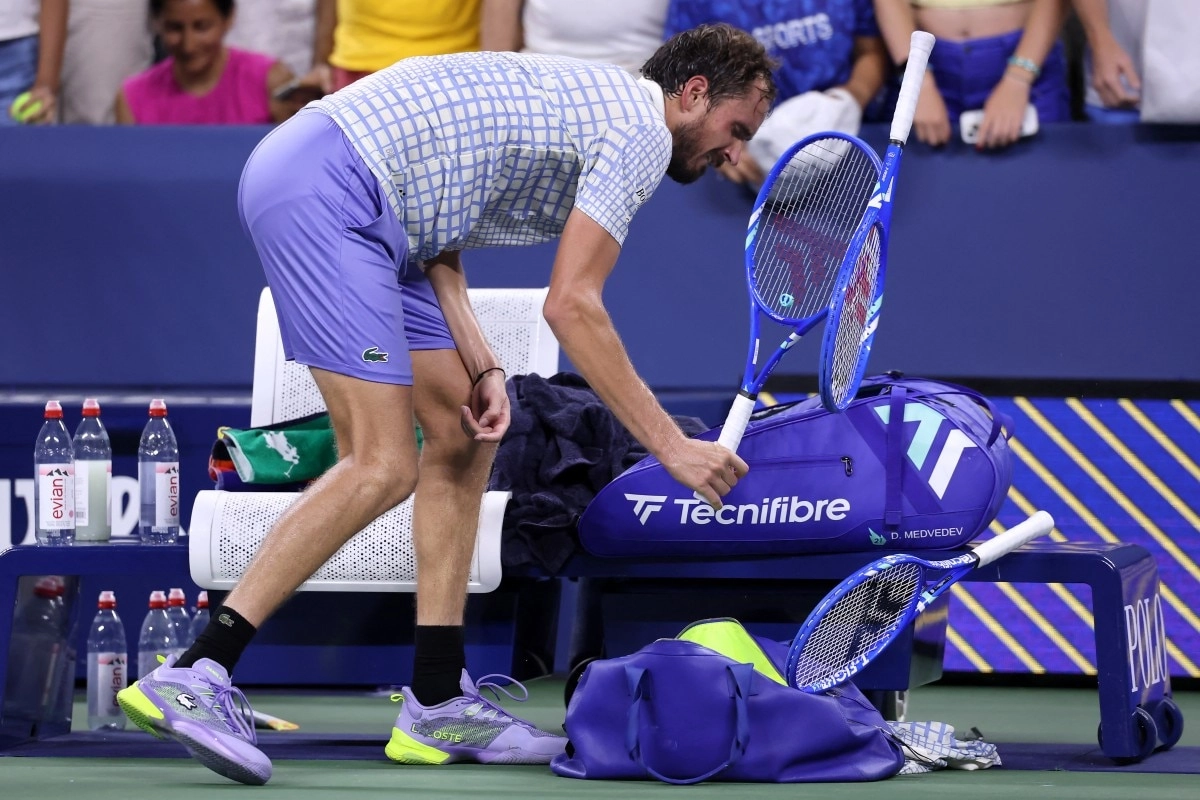
The recent incident at the US Open involving photojournalist and tennis star Daniil Medvedev has sparked significant discussion within the sports community. Medvedev, known for his intense competitiveness and candid personality, expressed his frustration during a post-match press conference after a match that had not gone in his favor. He took issue with a particular photojournalist’s questions, which he deemed inappropriate and disrespectful. This confrontation quickly gained traction on social media, with many fans and commentators weighing in on the appropriateness of Medvedev’s reaction and the role of journalists in sports.
In response to the uproar, the photojournalist has now broken their silence, addressing the incident and the surrounding controversy. They emphasized the importance of maintaining professionalism in sports journalism, stating that their questions were aimed at providing insight into the match and the athlete’s mindset. The photojournalist acknowledged the pressure athletes face, especially in high-stakes environments like the US Open, and expressed understanding for Medvedev’s emotional response. However, they also articulated the necessity of open dialogue between players and the media, arguing that such interactions are crucial for fans who seek a deeper understanding of the sport.
The exchange highlights a broader issue within sports—the balance between athlete privacy and the media’s responsibility to report on their experiences. As athletes navigate the intense scrutiny of public life, journalists play a pivotal role in shaping the narrative around their performances. The photojournalist reaffirmed their commitment to ethical reporting and the pursuit of truth, stressing that while emotions may run high in competitive sports, respectful communication is essential for fostering a healthy relationship between athletes and the media. This incident serves as a reminder of the complexities involved in sports journalism, where the line between personal feelings and professional responsibilities can often blur.