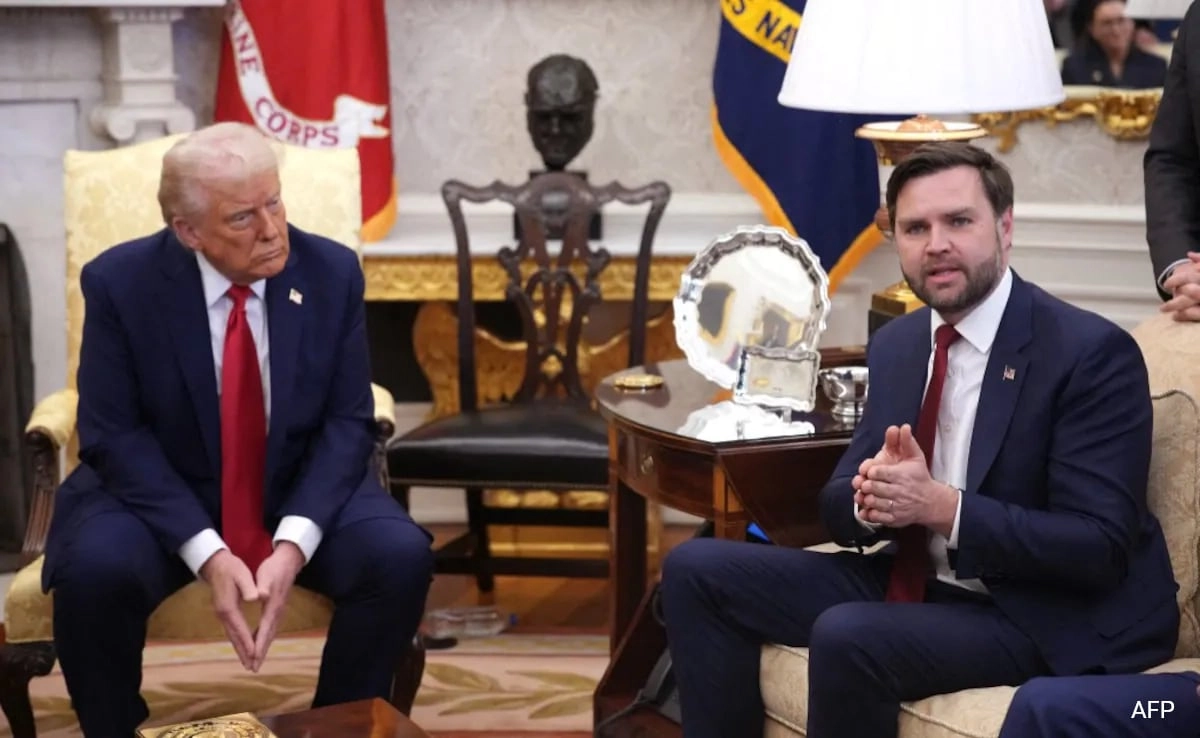
In a recent discussion surrounding international trade and economic policies, JD Vance, a prominent political figure, expressed his thoughts on former President Donald Trump’s tariffs, particularly those imposed on India. Vance highlighted that these tariffs were introduced as part of a broader strategy to hinder Russian economic interests. By imposing these tariffs, the intention was to make it more challenging for Russia to engage economically with other nations, especially those that have significant trade ties with India. This perspective underscores the interconnectedness of global trade and how tariffs can be utilized as a tool for geopolitical maneuvering.
Vance’s comments reflect a growing sentiment among some policymakers that economic measures can serve as a means to achieve foreign policy objectives. The idea is that by disrupting trade relationships and imposing tariffs on countries like India, the U.S. can indirectly apply pressure on Russia, which has been a focal point of international tensions. This approach raises questions about the effectiveness and consequences of using trade as a weapon. While it may serve short-term political goals, such strategies can also lead to unintended economic repercussions for both the U.S. and its allies.
Moreover, the implications of such tariffs extend beyond Russia. They can affect American businesses and consumers, potentially leading to higher prices for goods and services. Vance’s remarks prompt a discussion on the balance between national security interests and economic stability. As policymakers navigate the complexities of international relations, the challenge lies in crafting trade policies that support strategic objectives without causing detrimental impacts on domestic economies. The conversation surrounding tariffs, especially in the context of U.S.-India relations, illustrates the delicate interplay between commerce and diplomacy in the modern world.
In conclusion, JD Vance’s perspective on Trump’s tariffs serves as a reminder of the intricate relationship between trade and foreign policy. By leveraging tariffs as a tool against adversaries like Russia, the U.S. government is attempting to reshape global economic dynamics. However, it is crucial to consider the broader ramifications of these policies, both domestically and internationally. As the landscape of global trade continues to evolve, the ongoing dialogue about tariffs and their implications will remain a significant aspect of U.S. economic and foreign policy discussions.