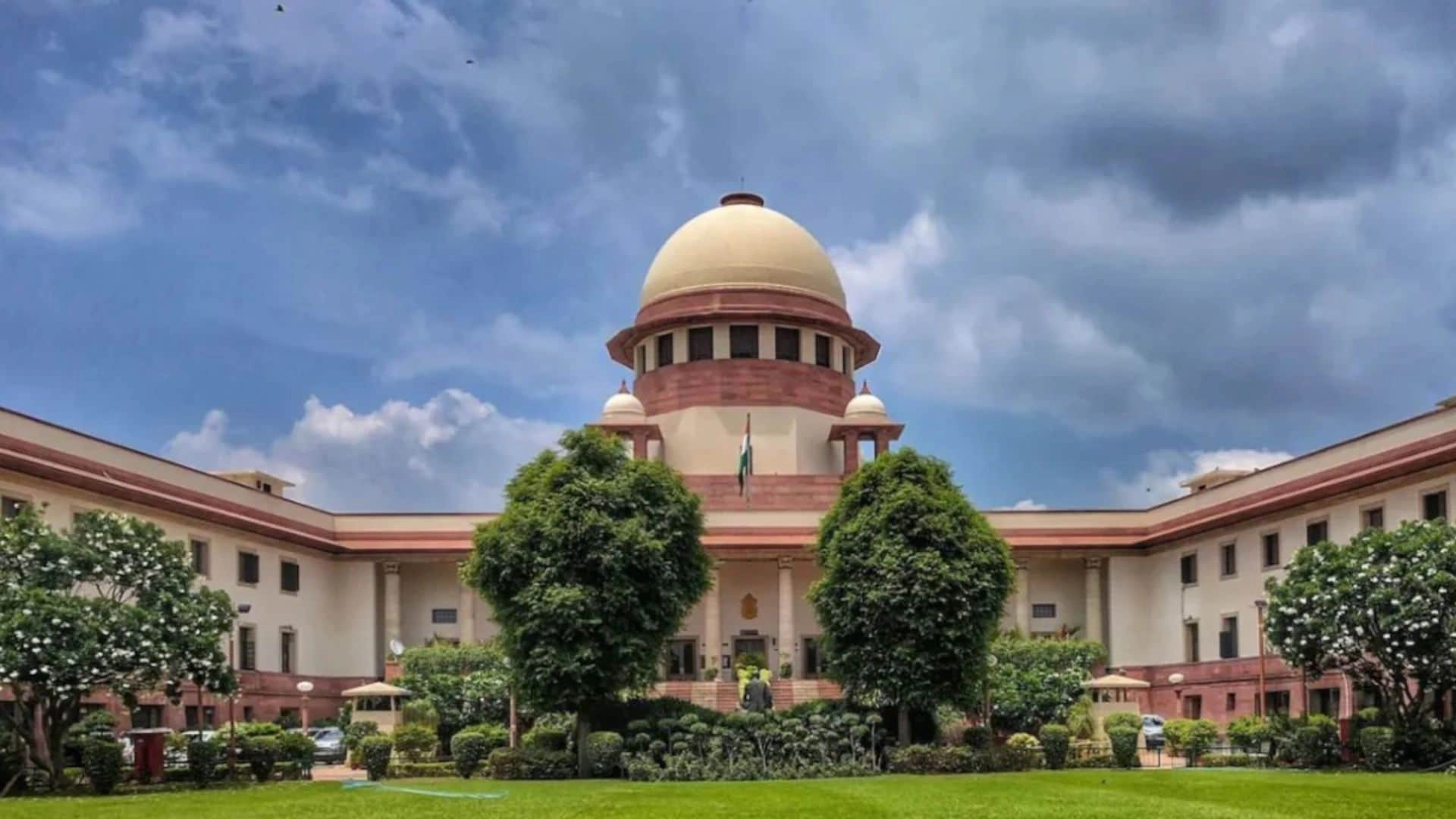
In a significant legal battle concerning the rights of religious communities and animal welfare, the Supreme Court of India has posed a critical question to the Jain community regarding their calls for the closure of slaughterhouses. The court’s inquiry centers around the fundamental issue of where the Jains derive their authority to impose restrictions on the livelihoods of others, particularly those engaged in the meat trade. This case not only highlights the clash between religious beliefs and economic activities but also raises broader questions about the intersection of faith, law, and individual rights in a diverse society like India.
The Jain community is known for its strict adherence to non-violence and compassion towards all living beings, which is a core tenet of their faith. As such, they have been vocal advocates for animal rights and the prohibition of slaughterhouses, arguing that such practices are contrary to their religious principles. However, the Supreme Court’s questioning reflects a need to balance these religious sentiments with the rights of others who may depend on the meat industry for their livelihood. The court’s role is to ensure that the rights of one group do not infringe upon the rights and economic stability of another, raising important considerations about the freedoms guaranteed under the Indian Constitution.
Furthermore, the court’s stance serves as a reminder of the complex dynamics at play in a multi-religious country. It emphasizes the necessity for dialogue and compromise, underscoring the importance of respecting diverse beliefs while also acknowledging the economic realities faced by various communities. The outcome of this case could set a precedent for how religious rights are interpreted in relation to economic activities, potentially influencing future legislation and societal norms surrounding animal rights and religious freedom. As the proceedings unfold, they will likely provoke a broader discussion about the role of religion in public policy and its implications for India’s pluralistic society.