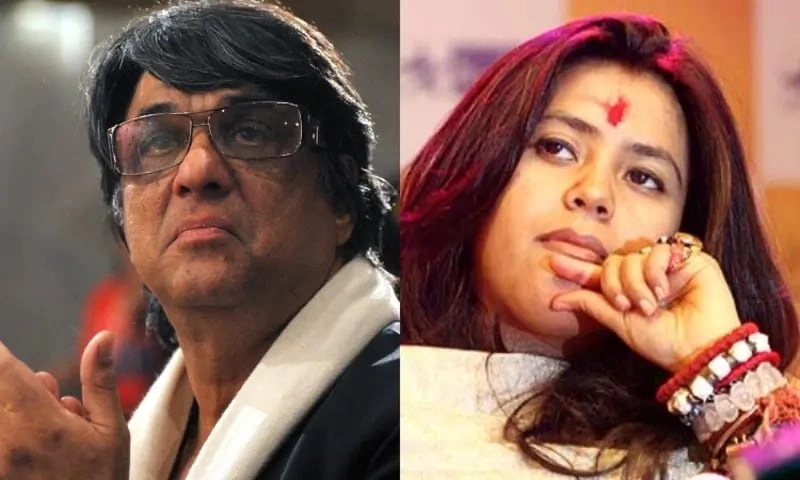
Mukesh Khanna, a veteran actor known for his iconic roles in Indian television, has recently made headlines for his candid remarks directed at producer Ekta Kapoor regarding her popular show “Kyunki Saas Bhi Kabhi Bahu Thi.” The actor criticized the portrayal of women in the series, stating, “Hamare Desh Mein Aisi Auratein Nahi Hain,” which translates to “There are no such women in our country.” His comments reflect a broader concern about the representation of women in Indian television dramas, which often exaggerate certain stereotypes and present unrealistic scenarios that may not resonate with the everyday lives of Indian women.
Khanna’s critique stems from a long-standing debate over the depiction of women in the media. He argues that shows like “Kyunki…” contribute to a skewed understanding of women’s roles in society, often reducing them to caricatures that reinforce traditional patriarchal norms rather than showcasing their diverse realities. By asserting that such characters do not exist in real life, Khanna highlights the disconnect between fictional portrayals and the experiences of women in contemporary India. His statements invite a discussion about the responsibility of content creators to present authentic narratives that reflect the complexities of women’s lives rather than relying on outdated tropes.
The backlash against Ekta Kapoor’s work isn’t entirely new; many have expressed similar sentiments in the past. Critics argue that the tropes used in her shows often lead to unrealistic expectations about relationships and familial dynamics, which can have a lasting impact on societal perceptions. Mukesh Khanna’s comments may resonate with a segment of the audience that seeks more progressive and realistic storytelling, urging content creators to evolve with the times. This conversation reveals a growing demand for narratives that celebrate women’s empowerment and individuality, moving away from the formulaic approaches that have dominated Indian television for decades.
As the media landscape continues to evolve, the challenge remains for creators like Ekta Kapoor to strike a balance between entertainment and responsible storytelling. Mukesh Khanna’s remarks serve as a reminder of the power of media to shape societal norms and the importance of portraying women in a way that honors their strength, diversity, and multifaceted roles in society. While “Kyunki Saas Bhi Kabhi Bahu Thi” may have garnered immense popularity during its run, the ongoing dialogue about its themes underscores the need for a more nuanced representation of women in the entertainment industry. The future of Indian television could very well depend on how well creators respond to such critiques and adapt their narratives to reflect the realities and aspirations of modern audiences.