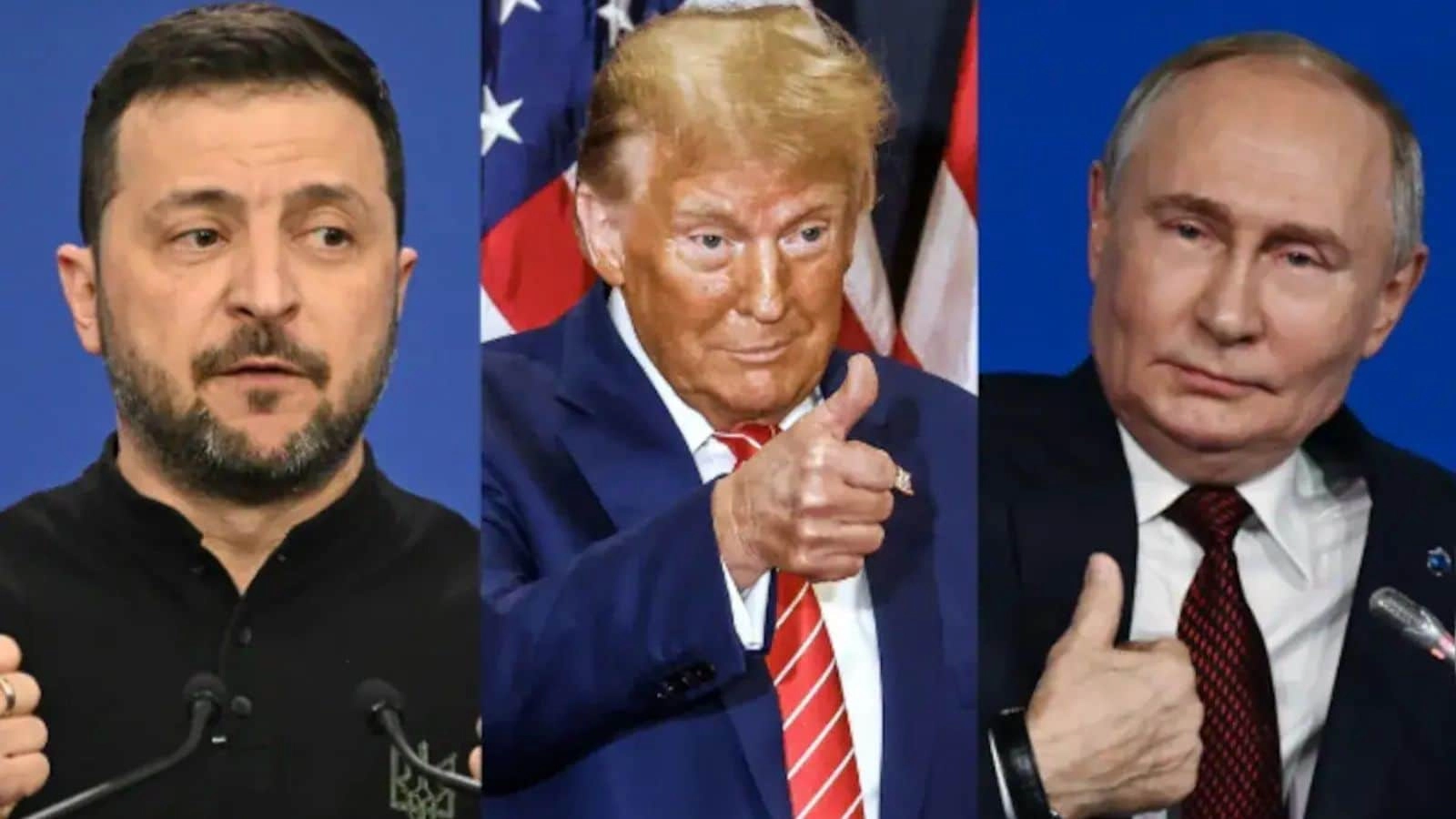
Former President Donald Trump has reportedly expressed support for Russian President Vladimir Putin’s ambitions to assert full control over Ukrainian territory. This stance aligns with Trump’s previous admiration for Putin, which has been a point of contention in American politics. The support comes amid ongoing tensions between Russia and Ukraine, where the latter has been fiercely resisting Russian advances since the start of the conflict in 2014, which escalated dramatically in 2022 with a full-scale invasion.
Trump’s comments have raised eyebrows among both political allies and opponents, as they suggest a willingness to endorse a foreign leader’s aggressive territorial ambitions. Critics argue that such statements undermine U.S. foreign policy and the principles of sovereignty and self-determination, which are fundamental to international law. Supporters of Ukraine argue that any endorsement of Putin’s ambitions could embolden Russia to continue its military actions and further destabilize the region.
The implications of Trump’s position are significant, particularly as the U.S. navigates its role in the ongoing conflict. The Biden administration has committed to supporting Ukraine with military and financial aid, viewing it as a critical front in the fight against autocratic aggression. Trump’s backing for Putin’s plans may not only alienate traditional allies but also complicate the United States’ diplomatic efforts to rally support for Ukraine.
The geopolitical landscape remains fraught with uncertainty. As the conflict continues, the response from global leaders will be crucial in shaping the outcome. Trump’s remarks may resonate with a segment of the American populace that favors a more isolationist foreign policy, yet they also pose challenges for the broader international community that seeks to uphold democratic ideals and counter authoritarianism. The unfolding situation will likely influence the upcoming political discourse as the 2024 elections approach, highlighting the divergent views on foreign policy among American leaders.