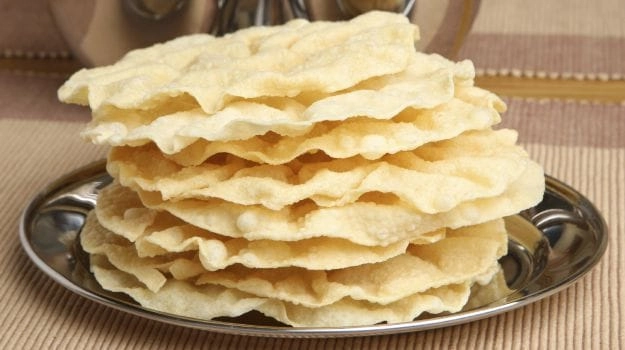
Papad, a beloved crunchy accompaniment often enjoyed with meals in many Indian households, is a staple that enhances the dining experience. While it can add flavor and texture to various dishes, there is a growing conversation about the health implications of consuming papad with every meal. Many people may assume that since it is made from lentils or rice, it is a healthy choice. However, the reality is more nuanced.
Firstly, the preparation methods of papad can significantly influence its nutritional value. Commercially available papads are often deep-fried or roasted with excessive oil, which can lead to high-calorie content and unhealthy fats. Regular consumption of such papads can contribute to weight gain and other health issues, such as elevated cholesterol levels. Moreover, the sodium content in some varieties can be alarming, particularly for individuals who are managing hypertension or cardiovascular concerns.
Additionally, the reliance on papad as a staple in every meal may lead to an imbalanced diet. While it can certainly be a delightful addition to enhance flavors, overconsumption may detract from the intake of more nutrient-dense foods. A well-rounded meal should ideally consist of a variety of vegetables, proteins, and whole grains, which provide essential vitamins and minerals. Thus, while enjoying papad occasionally as a treat is perfectly fine, it shouldn’t overshadow the importance of a balanced diet.
In conclusion, while papad can undoubtedly elevate the dining experience with its unique crunch and flavor, moderation is key. Being mindful of how often and how much papad is included in meals can help maintain a healthier lifestyle. Instead of making it a regular fixture, consider incorporating it as an occasional side, allowing for a more diverse and nutritious diet that supports overall well-being.