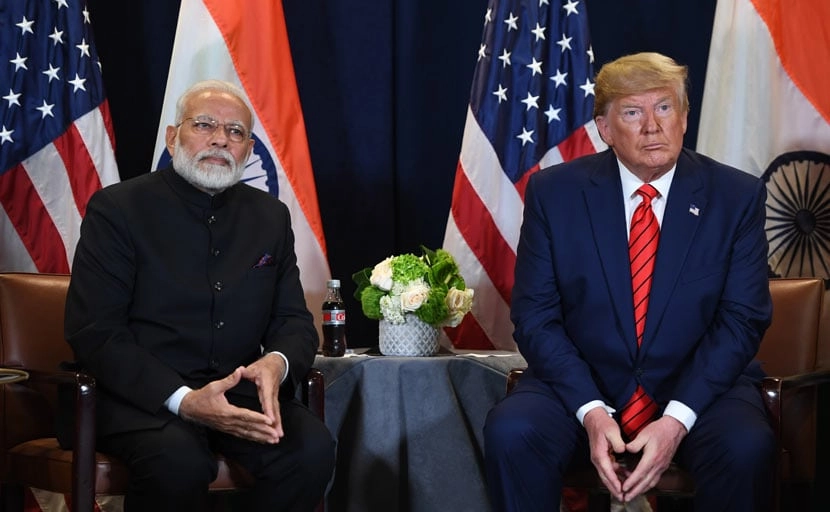
The relationship between India and the United States has evolved significantly over the years, marked by mutual interests and strategic partnerships. However, despite this deepening alliance, India finds itself grappling with steep tariffs imposed by the U.S. on various goods. This paradox can be attributed to a confluence of economic, political, and diplomatic factors that have shaped bilateral trade dynamics. While both nations have collaborated on numerous fronts, including defense and technology, trade relations have become increasingly strained, leading to a complex situation where tariffs are a primary concern.
One of the central issues contributing to the imposition of tariffs is the trade imbalance between the two nations. The U.S. has long expressed concerns over the trade deficit with India, which has prompted American policymakers to adopt a protectionist stance. India’s export-driven economy, particularly in sectors like textiles and information technology, has been viewed as a source of competition for American industries. Consequently, the U.S. has implemented tariffs on a range of Indian products, from steel and aluminum to agricultural goods, in an effort to protect domestic manufacturers and reduce the trade deficit. This has created friction, as India retaliates with its own tariffs on U.S. goods, further complicating the trade landscape.
Furthermore, underlying geopolitical tensions have also played a role in shaping the tariff landscape. While the U.S. and India share common interests, such as countering China’s influence in the Indo-Pacific region, their differing approaches to issues like intellectual property rights, data localization, and market access have fueled dissatisfaction on both sides. India’s insistence on protecting its domestic industries and ensuring equitable access for its products has clashed with American expectations for open markets. This discord has been exacerbated by broader global economic trends, including rising nationalism and protectionism, which have influenced both nations’ trade policies.
As both countries navigate these challenges, the future of their economic relationship remains uncertain. Diplomatic dialogues are essential to address the underlying issues contributing to the tariff situation, and both sides must work towards finding common ground. Strengthening trade partnerships while addressing concerns about market access, regulatory barriers, and intellectual property rights will be crucial in alleviating tensions. Ultimately, fostering a balanced and fair trade environment will not only benefit both economies but also reinforce the strategic partnership that India and the U.S. have built over the years.