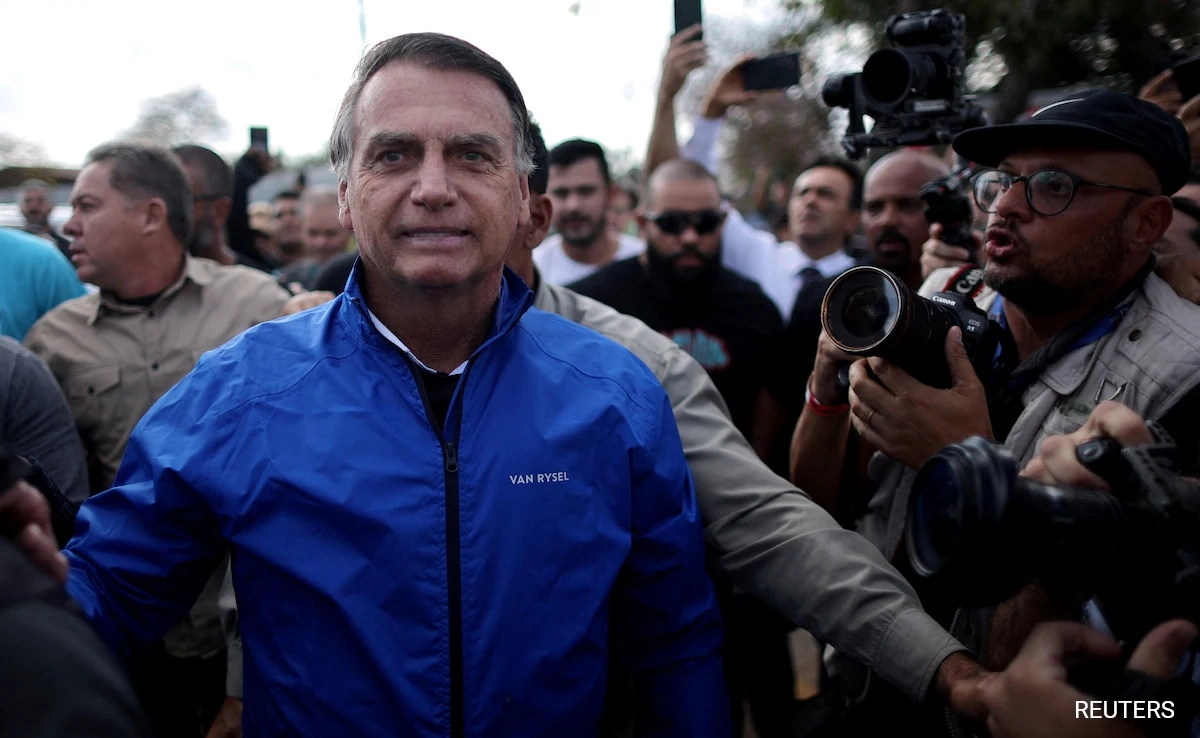
The Brazilian Supreme Court has issued a significant ruling that mandates former President Jair Bolsonaro to serve house arrest. This decision comes amid a broader investigation into his alleged involvement in inciting the violent riots that took place on January 8, 2023, when his supporters stormed key government buildings in Brasília. The court’s order reflects a growing concern over the threats to democracy in Brazil and the need to hold accountable those who undermine democratic institutions. The gravity of the situation is underscored by the fact that Bolsonaro, during his presidency, often made statements that were perceived as encouraging unrest among his supporters, particularly in the wake of his electoral defeat in 2022.
The Supreme Court’s ruling marks a pivotal moment in Brazilian politics, as it not only targets Bolsonaro but also serves as a warning to other political figures who may seek to exploit political tensions for their own gain. The decision to place Bolsonaro under house arrest is seen as a necessary step to prevent further unrest and to stabilize the political climate in Brazil. Critics of Bolsonaro have long argued that his rhetoric and actions contributed to the growing polarization in the country, culminating in the violent attempts to undermine the newly elected government of President Luiz Inácio Lula da Silva.
Moreover, this ruling may have far-reaching implications for the future of Brazilian democracy. By holding a former president accountable, the Supreme Court is reinforcing the principle that no one is above the law, a critical tenet of democratic governance. The case against Bolsonaro is part of a larger narrative about the resilience of Brazil’s democratic institutions in the face of populism and extremist ideologies. As the nation grapples with its political divisions, the court’s actions could serve as a catalyst for a broader societal reflection on the importance of democratic norms and the rule of law.
In light of these developments, the international community is also closely monitoring the situation in Brazil. The implications of Bolsonaro’s house arrest extend beyond national borders, raising questions about the stability of democratic systems in the region. Observers are keen to see how this decision will impact Brazil’s political landscape and whether it will pave the way for a more unified approach to governance, or if it will further entrench divisions among the populace. Ultimately, the Supreme Court’s ruling is a crucial juncture for Brazil, emphasizing the need for accountability and the protection of democratic values in a time of uncertainty.