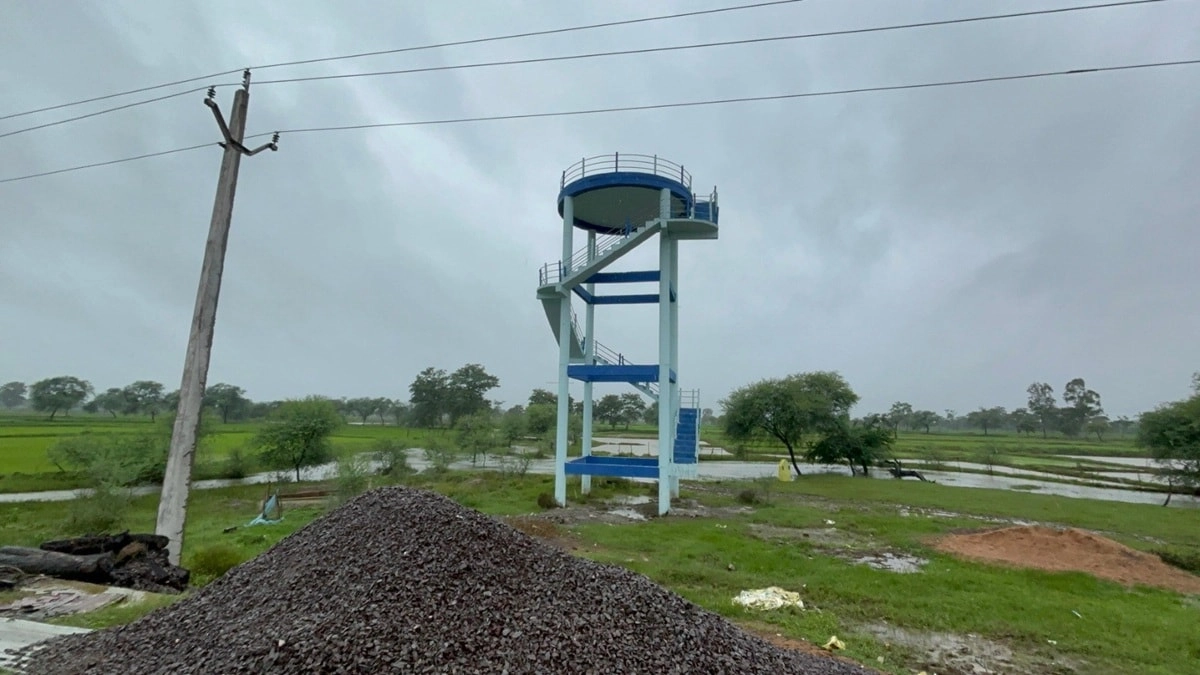
The Jal Jeevan Mission, a flagship initiative aimed at providing piped drinking water to every rural household in India, has encountered significant challenges in Chhattisgarh, where the situation has become increasingly dire as taps run dry. This ambitious project was launched with the vision of ensuring that every citizen has access to clean and safe drinking water, a fundamental necessity for health and well-being. However, the implementation in Chhattisgarh has faced various hurdles that have hindered progress, leaving many households without reliable water supply.
One of the primary challenges plaguing the Jal Jeevan Mission in Chhattisgarh is the state’s geographical and climatic conditions. Many regions experience acute water scarcity, particularly during the summer months when groundwater levels plummet. The over-reliance on groundwater sources has exacerbated the crisis, as these sources are depleting faster than they can be replenished. In addition, infrastructure issues such as inadequate piping systems, lack of maintenance, and insufficient funding have further complicated the mission’s objectives. As a result, many villages find themselves grappling with not just the absence of water but also the burden of inadequate sanitation and hygiene facilities.
Moreover, the socio-economic factors at play cannot be overlooked. Many rural communities lack the financial resources and technical expertise needed to effectively manage and maintain water supply systems. This has created a reliance on government initiatives that are often slow to materialize. Delays in project execution, coupled with bureaucratic red tape, have left many villagers frustrated and disillusioned. The situation is made worse by the increasing population pressures and the ongoing impacts of climate change, which are contributing to more frequent and severe droughts in the region.
As the Jal Jeevan Mission progresses, it is crucial for the government and stakeholders to address these challenges with a multi-faceted approach. This could involve enhancing community engagement to empower local populations in managing their water resources, investing in sustainable water management practices, and exploring alternative sources of water such as rainwater harvesting and desalination. By fostering a collaborative environment between the government, local communities, and NGOs, Chhattisgarh can work towards revitalizing its water supply systems and ensuring that the noble goal of the Jal Jeevan Mission is achieved, providing every household with the essential resource of clean drinking water.