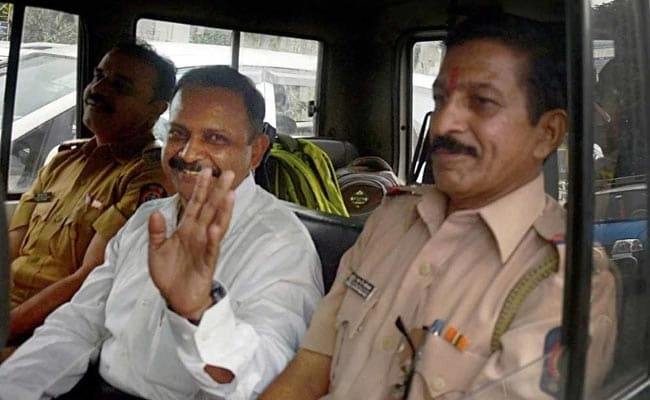
The recent acquittal of Lt. Col. Prasad Purohit in connection with the Malegaon blasts has sparked significant discussions, especially within his family. His wife has expressed profound relief and gratitude, stating that “truth prevailed” after a long and arduous legal battle. The case, which has been mired in controversy and political undertones, has raised questions about the nature of justice in India, especially concerning cases involving national security and terrorism. The implications of this verdict extend beyond Purohit’s personal life, as it also sheds light on broader issues surrounding the treatment of individuals accused of terrorism, the investigative processes, and the judicial system’s handling of such sensitive cases.
Purohit’s acquittal is seen as a pivotal moment not just for him and his family, but also for those who believe in the presumption of innocence until proven guilty. His wife highlighted the emotional toll that the prolonged trial had taken on their family, emphasizing the challenges they faced during the years of legal uncertainty. The public perception of the case has often been polarized, with various factions interpreting the events through different ideological lenses. However, the affirmation of Purohit’s innocence by the court serves as a reminder of the importance of due process and the need for rigorous standards in the prosecution of terrorism-related charges.
Furthermore, this verdict could potentially lead to a reevaluation of similar cases in the future, prompting discussions on the need for transparency in investigations and the potential for wrongful accusations. As Purohit’s family begins to rebuild their lives post-acquittal, they are hopeful that this outcome will pave the way for a more just approach to legal proceedings in cases involving serious allegations. The sentiment of “truth prevailed” resonates not only with them but also with many who advocate for justice and fairness within the legal system. As the dust settles on this case, it will be crucial to observe how it influences public discourse and policy regarding terrorism and civil rights in India.