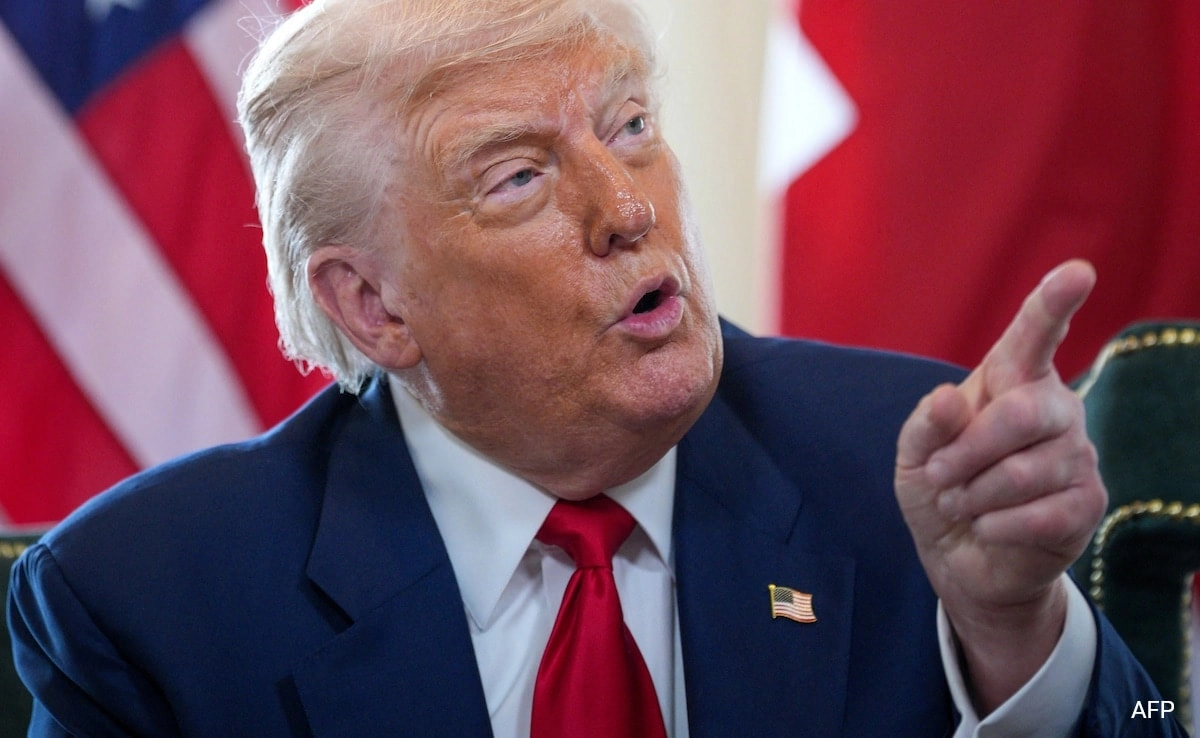
In a recent statement, former President Donald Trump expressed his disdain for London Mayor Sadiq Khan, labeling him a “nasty person” and criticizing his performance in office. Trump’s comments came during a media interview where he highlighted his long-standing frustrations with Khan’s leadership, particularly in relation to issues such as crime and public safety in London. He argued that the mayor has failed to effectively address the challenges facing the city, suggesting that his policies have contributed to a decline in the quality of life for its residents.
Trump’s remarks are not the first time he has clashed with Khan. The two have had a contentious relationship over the years, with Khan often criticizing Trump’s policies, especially regarding immigration and civil rights. In response, Trump has repeatedly attacked Khan, suggesting that his approach to governance is ineffective and detrimental to the city. The former president emphasized that leadership requires accountability and results, and he believes Khan has fallen short in both areas, leading to increased crime rates and public discontent.
The criticism came amidst ongoing discussions about urban governance and the challenges faced by major cities worldwide. Many have pointed to the importance of strong leadership in addressing complex issues such as crime, housing, and public health. Trump’s comments serve to highlight the broader debate about the effectiveness of political leaders in managing urban environments, and whether they are truly serving the interests of their constituents. As the political landscape continues to shift, the tension between Trump and Khan is likely to remain a focal point, reflecting the larger ideological divides that characterize contemporary politics.