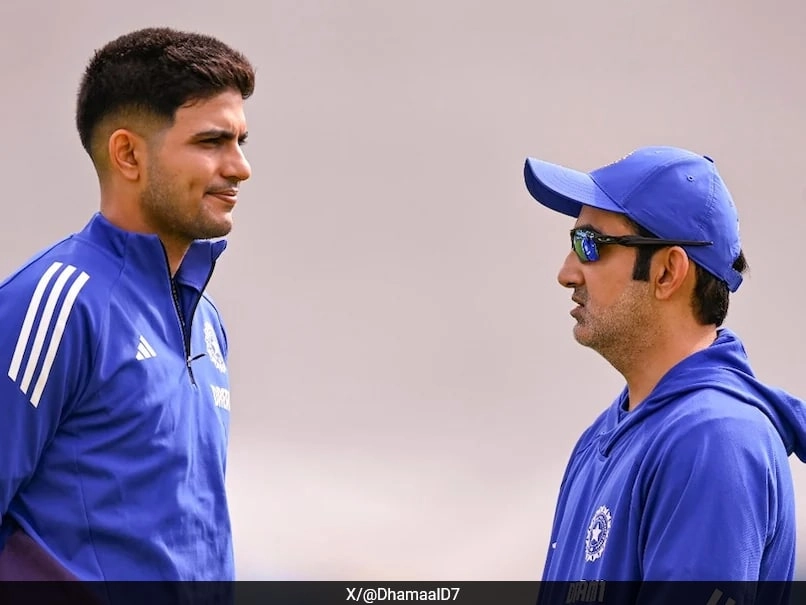
Gautam Gambhir’s recent coaching strategies have come under intense scrutiny following a disappointing performance from the team he oversees. Many critics argue that his approach, which was initially celebrated for its potential, has become overly cautious and defensive, ultimately hindering the players’ natural talents. This shift in strategy has raised eyebrows among fans and analysts alike, as it seems to contradict the aggressive style that has historically defined successful teams in competitive sports. Gambhir’s tactical decisions, particularly in high-pressure situations, have led to calls for a reassessment of his methodology and a deeper exploration into the implications of such a defensive mindset.
The backlash has intensified around the coach, with several former players and pundits questioning his decision-making process and the impact it has on team morale. Supporters of a more aggressive playing style argue that a defensive approach can stifle creativity and limit scoring opportunities. This debate highlights the fine line coaches must walk between instilling discipline and allowing players the freedom to express themselves on the field. The tension between these two philosophies has become a focal point of discussion, with many calling for a return to a more traditional, offensive strategy that encourages risk-taking and dynamic play.
As the pressure mounts, Gambhir faces not only criticism from the public but also from within the organization. Team management is reportedly evaluating the effectiveness of his coaching style, especially in light of the team’s recent performances. The players themselves may also be feeling the effects of this scrutiny, as they grapple with the expectations placed upon them by both their coach and the fans. If Gambhir intends to remain at the helm, a recalibration of his approach might be necessary to restore confidence and unleash the potential of the team. This situation serves as a reminder of the complexities involved in sports management and the critical role that coaching philosophies play in shaping team dynamics and outcomes.