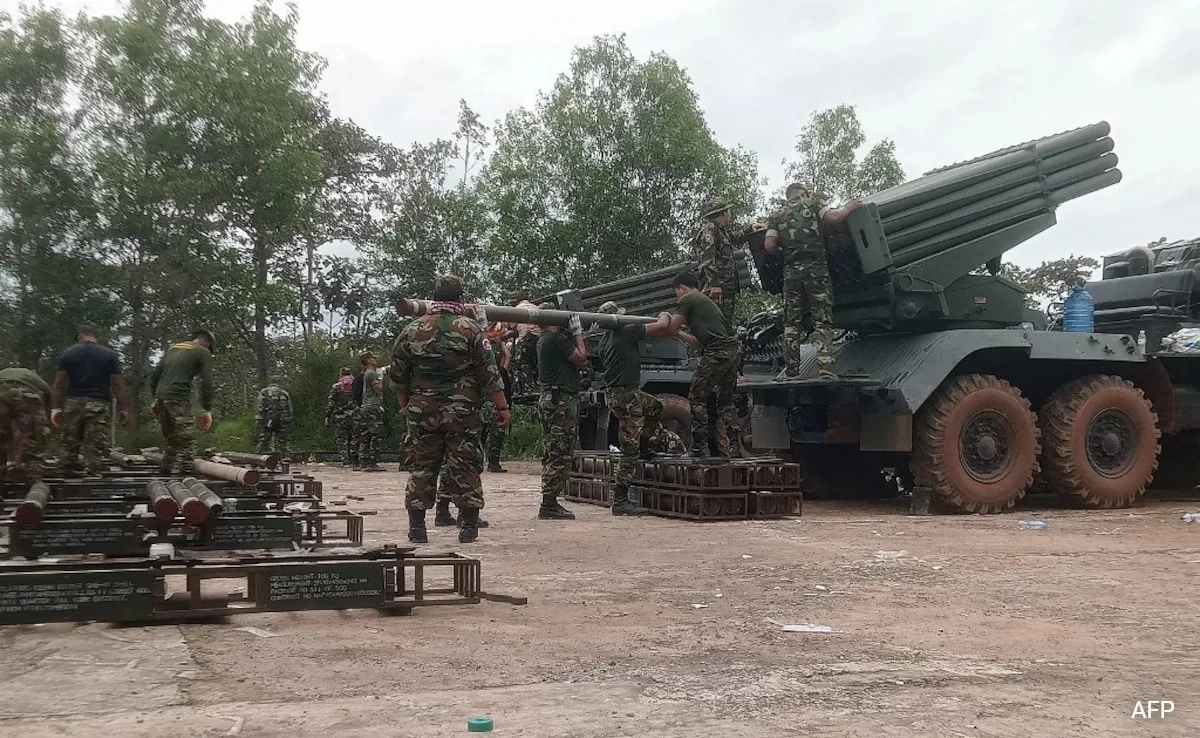
In response to escalating violence in areas bordering Cambodia, Thailand has declared martial law as a precautionary measure to restore order and ensure the safety of its citizens. The decision comes after a series of deadly clashes that have raised concerns about security and stability in the region. The Thai government, faced with increasing tensions and confrontations between rival groups, deemed it necessary to implement martial law to prevent further violence and protect the lives of individuals living in affected areas.
The clashes that triggered this drastic measure have been characterized by violent confrontations, often involving armed groups and resulting in casualties on both sides. The situation has not only posed a threat to local residents but has also raised alarms about the potential for the conflict to spill over into broader regional instability. In light of these developments, military authorities have been deployed to maintain peace and order, with a focus on areas where the violence has been most intense. The declaration of martial law enables the military to exercise greater control over the situation, including the ability to impose curfews, limit gatherings, and take necessary actions to quell unrest.
Local communities are now grappling with the implications of this martial law declaration, as it may lead to increased military presence and restrictions on civil liberties. While the government asserts that these measures are essential for public safety, there are concerns about the potential for human rights abuses and the impact on everyday life. Citizens are urged to remain calm and cooperate with authorities while the military works to stabilize the situation. As Thailand navigates this complex challenge, the hope is that peace can be restored swiftly, allowing for a return to normalcy in the affected regions.
In the broader context, the declaration of martial law underscores the fragile nature of security in border areas, particularly in regions with historical tensions. The Thai government’s actions will be closely monitored both domestically and internationally, as stakeholders seek to understand the implications for regional stability and the potential for future conflicts. The situation remains fluid, and it is imperative for all parties involved to engage in dialogue and seek peaceful resolutions to avoid further escalation. As the military takes charge, the focus will likely shift to long-term strategies for peace and reconciliation in a region that has seen too much violence in recent years.