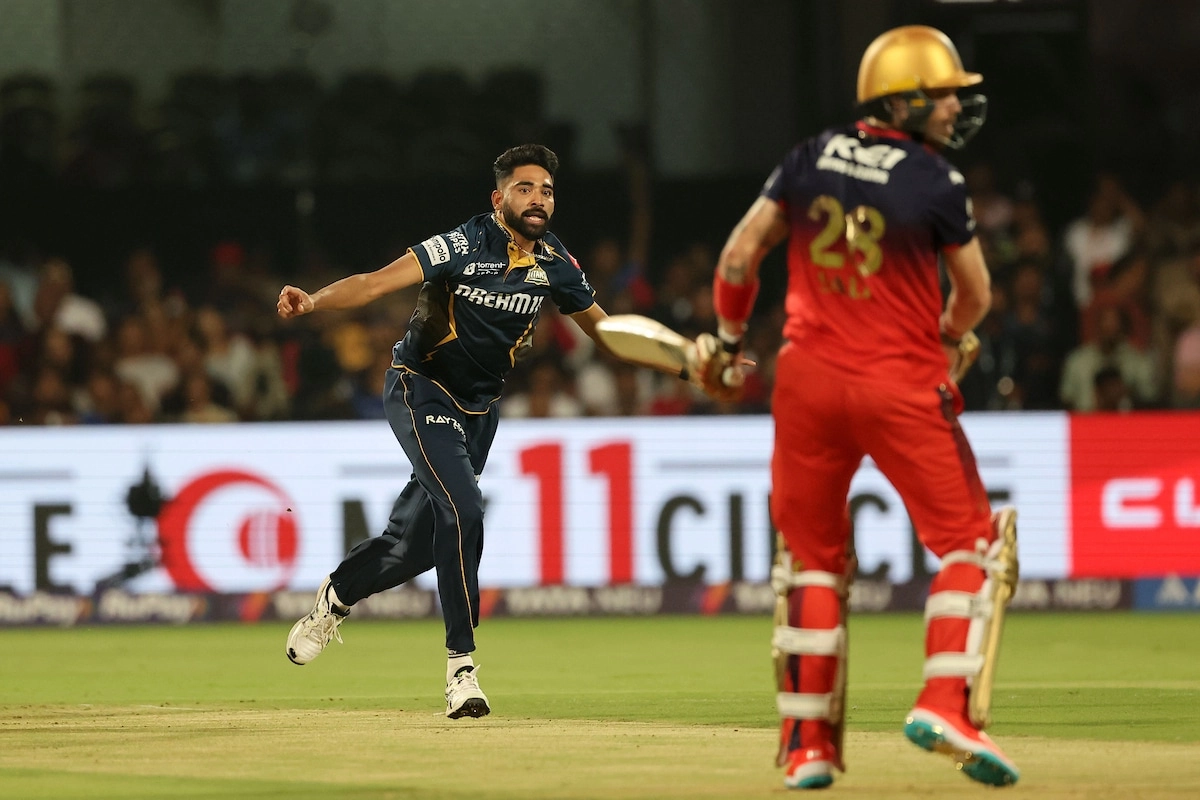
In recent discussions surrounding workload management in professional sports, particularly within cricket, fast bowler Mohammed Siraj has emerged with a candid perspective that has sparked interest among fans and analysts alike. As teams and coaching staff increasingly focus on balancing player workloads to prevent injuries and ensure peak performance, Siraj’s straightforward remarks serve as a reminder of the physical demands faced by athletes. He emphasizes that, from a scientific standpoint, the human body has its limits, and pushing players beyond those limits can lead to detrimental effects on their health and performance.
Siraj’s comments come at a time when teams are scrutinizing training regimens and match schedules to optimize player endurance and longevity. The debate around workload management has intensified, especially with the rise of T20 leagues and the demanding international cricket calendar. Players are often expected to perform at their best across various formats, leading to concerns about fatigue and injury. Siraj’s assertion that “as per science,” athletes must adhere to certain physiological guidelines resonates with the ongoing discourse around sports science and athlete care.
By taking a blunt approach, Siraj not only highlights the importance of scientific principles in sports but also calls for a more nuanced understanding of player fitness and recovery. His perspective underscores the need for a collaborative approach between players, coaches, and medical staff, ensuring that the physical well-being of athletes is prioritized alongside competitive performance. In an environment where the pressure to succeed can overshadow health considerations, Siraj’s insights serve as a crucial reminder of the balance that must be struck in modern sports.
As the cricketing world continues to evolve, the conversation around workload management will likely persist, with expert opinions and player experiences shaping best practices. Siraj’s willingness to speak openly about these issues may encourage others in the sport to advocate for their health, pushing for systems that respect their physical boundaries while still aiming for excellence on the field. Ultimately, this dialogue is essential not only for the current generation of cricketers but also for future athletes who will navigate the complexities of high-performance sports.