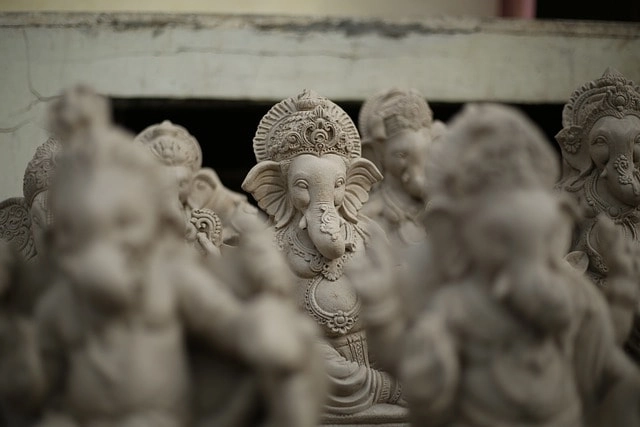
In Indore, a group of artisans has found themselves at the center of controversy due to their design of Ganesh idols, which has been deemed “objectionable” by certain factions within the community. The idols, known for their unique aesthetic and craftsmanship, have been criticized for not adhering to traditional representations of the beloved Hindu deity. This discontent has led to the artisans facing public backlash, with some even taking to the streets to voice their grievances. The situation escalated to the point where the artisans were publicly shamed, with some instances of their faces being blackened as a form of protest, a practice that symbolizes social humiliation in many cultures.
The artisans in question have dedicated their lives to mastering the art of idol-making, often infusing their work with personal creativity and contemporary themes. For many, this creative expression is not just a means of livelihood but also a way to connect with their cultural heritage. However, the recent backlash raises questions about the balance between artistic freedom and cultural sensibility. While some community members argue for the preservation of traditional designs, others advocate for innovation and modern interpretations, suggesting that art should evolve with the times. This clash of perspectives highlights the ongoing tension between tradition and modernity in various cultural practices.
Furthermore, the incident in Indore serves as a reminder of the broader societal issues that can erupt from artistic expression. The artisans have expressed feelings of vulnerability and fear, as public sentiment can swiftly turn against them. The act of blackening their faces signifies not only a rejection of their work but also a profound misunderstanding of the artistic process. Art, by its very nature, invites interpretation and can provoke strong emotional responses. In this case, the artisans are caught in a web of expectation, where their desire to innovate clashes with the community’s desire for preservation.
Reactions to the incident have varied widely, with some supporting the artisans’ right to express their creativity, while others firmly stand by the call for traditional adherence. This discourse reflects a microcosm of larger societal debates concerning the role of art in religious and cultural expression. As the artisans navigate this turbulent landscape, they are left to grapple with the implications of their work and the responsibilities that come with it. Ultimately, this situation in Indore underscores the importance of dialogue within communities, as differing viewpoints can lead to both conflict and, potentially, a richer understanding of cultural identity.