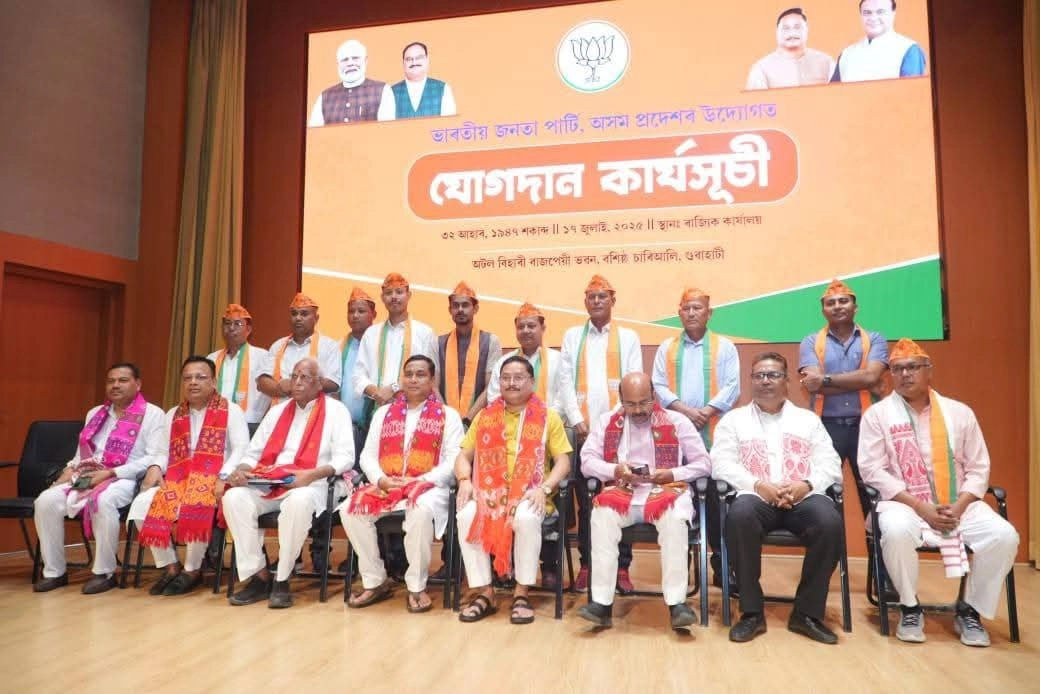
In a significant political development in Assam, several prominent figures, including the former leader of a banned militant group, have made headlines by joining the Bharatiya Janata Party (BJP). This move is seen as a strategic alliance that could potentially reshape the political landscape in the region. The inclusion of these individuals, notably from various factions such as the All India United Democratic Front (AIUDF) and Congress, underscores the BJP’s efforts to consolidate power and expand its influence in Assam, which has been a focal point of political rivalry in recent years.
The former militant leader’s transition from insurgency to mainstream politics is particularly notable. It reflects a broader trend where individuals previously involved in radical movements are now seeking legitimacy and a platform for their voices within established political parties. This shift raises questions about the reconciliation process in Assam, where issues of identity, militancy, and governance have historically been intertwined. The BJP’s welcoming stance toward these leaders indicates a strategic move to tap into their grassroots connections and influence in their respective communities.
Moreover, the departure of these leaders from their previous parties signals a potential weakening of the opposition, particularly for the Congress and AIUDF, which have struggled to maintain a unified front in the face of the BJP’s growing dominance. The political realignment could have significant implications for upcoming elections, as the BJP seeks to consolidate its voter base and appeal to diverse demographics within the state. As these new members integrate into the BJP fold, their past experiences and affiliations will likely play a critical role in shaping the party’s policies and outreach initiatives in Assam.
In conclusion, the recent influx of former militant and political leaders into the BJP in Assam represents a pivotal moment in the state’s political narrative. It highlights the complexities of political identity and the evolving nature of alliances in a region marked by historical tensions. As Assam navigates these changes, the implications for governance, community relations, and electoral dynamics will be closely watched by observers both within the state and beyond. This development not only reflects the changing tides of Assam’s politics but also raises broader questions about the future trajectory of insurgency-affected regions in India as they grapple with the challenges of integration, representation, and democratic governance.