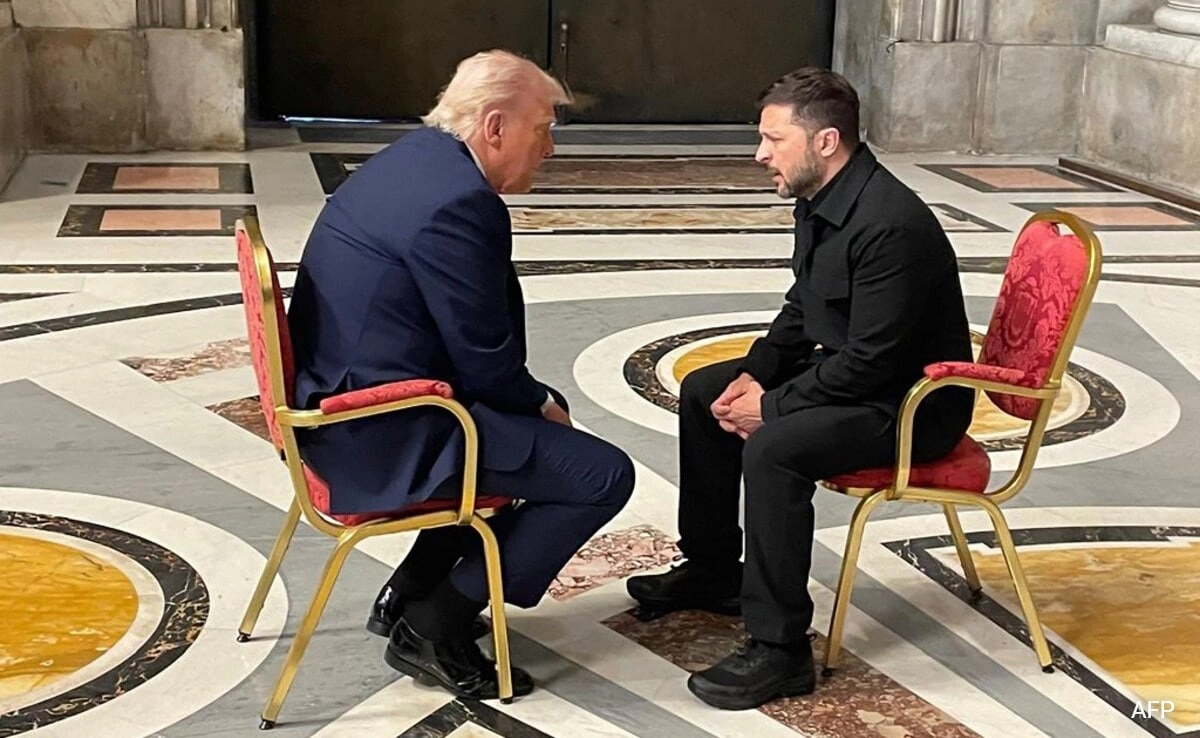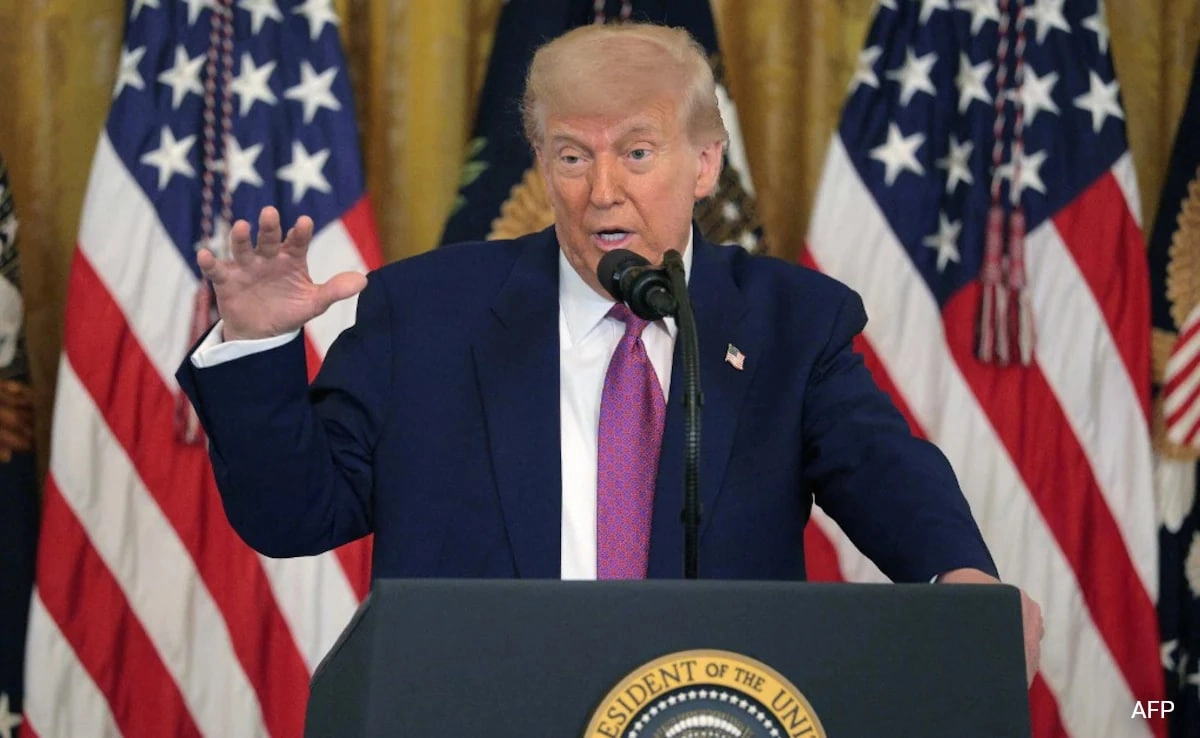
Former President Donald Trump has recently made headlines by expressing his views on the ongoing conflict in Ukraine, particularly regarding the country’s military strategy. Trump emphasized that Ukraine should refrain from targeting Moscow directly, suggesting that such actions could escalate tensions and potentially provoke a wider conflict. His comments reflect a broader concern about the implications of military aggression in the region and the potential for a significant geopolitical fallout.
Trump’s stance aligns with his long-standing approach to foreign policy, which often advocates for caution and a focus on diplomatic solutions over military engagement. He argues that while Ukraine has the right to defend itself against Russian aggression, targeting the capital of Russia could lead to unintended consequences that might destabilize not just the region, but the world at large. By advocating for restraint, Trump is encouraging a strategic approach that prioritizes negotiation and dialogue over direct confrontation.
This perspective has sparked a diverse range of reactions from political analysts and foreign policy experts. Some view Trump’s comments as a pragmatic approach that acknowledges the complexities of international relations, while others criticize them as overly simplistic and potentially harmful. In a conflict where both sides have suffered significant losses, the question of how to balance military action with diplomatic efforts remains a contentious issue. Trump’s statements contribute to the ongoing debate about the best course of action for Ukraine and its allies as they navigate the intricacies of this multifaceted conflict.
As the situation continues to evolve, the implications of Trump’s advice could resonate beyond Ukraine and Russia, potentially influencing the strategies of other nations involved in global conflicts. The balance between military action and diplomacy is a delicate one, and leaders worldwide will be watching closely to see how Ukraine responds to both internal and external pressures. Ultimately, the challenge remains to find a path forward that minimizes loss of life and fosters a sustainable resolution to the ongoing crisis.