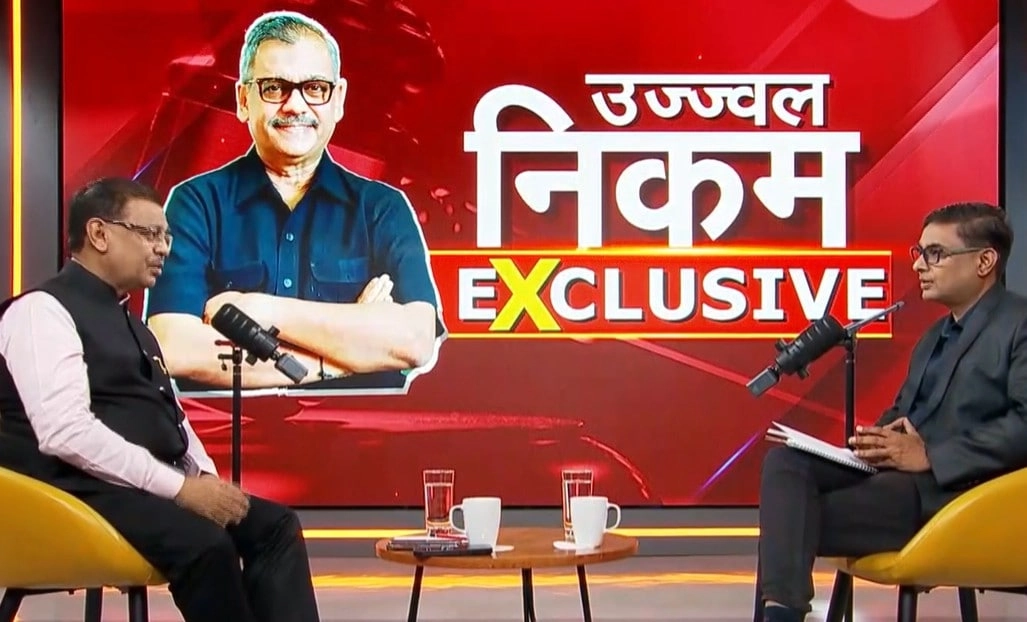
In a recent discussion surrounding the infamous Mumbai blasts, renowned criminal lawyer Ujjwal Nikam brought attention to the pivotal role that Sanjay Dutt played in the events leading up to the tragedy. According to Nikam, the blasts, which resulted in significant loss of life and property in 1993, could have potentially been averted if Dutt had not been involved in the arms deal that facilitated the attacks. Nikam’s comments underscore the gravity of Dutt’s actions during a tumultuous period in India’s history, highlighting how individual choices can have far-reaching consequences.
Nikam elaborated on the legal ramifications of Dutt’s involvement, indicating that his actions were not merely personal missteps but were intertwined with a larger conspiracy that affected the safety and security of countless individuals. The lawyer expressed his belief that had Dutt acted differently, the network of terror that culminated in the blasts could have been disrupted. This assertion raises important questions about accountability and the moral responsibilities of public figures, especially those in the entertainment industry, who must navigate the complexities of fame and influence.
The conversation surrounding Sanjay Dutt’s involvement in the Mumbai blasts continues to evoke strong emotions and varying perspectives. While some view Dutt as a victim of circumstances and a flawed individual who has since sought redemption, others believe that his actions, whether deliberate or misguided, contributed to a national tragedy. Nikam’s remarks serve as a reminder of the intricate interplay between personal decisions and collective outcomes, urging society to reflect on how individual actions can shape the course of history.
As India continues to grapple with the legacy of the Mumbai blasts, the discussion around figures like Sanjay Dutt remains relevant. It highlights the need for accountability, not just in the legal sense, but also in terms of social responsibility. The narrative surrounding Dutt is a microcosm of larger societal issues, including the impact of crime, the struggles of reintegration after imprisonment, and the role of public perception in shaping justice. Ultimately, Ujjwal Nikam’s insights serve as a critical lens through which to examine the past and its implications for the future, reminding us that the choices of individuals can reverberate through time, influencing the lives of many.