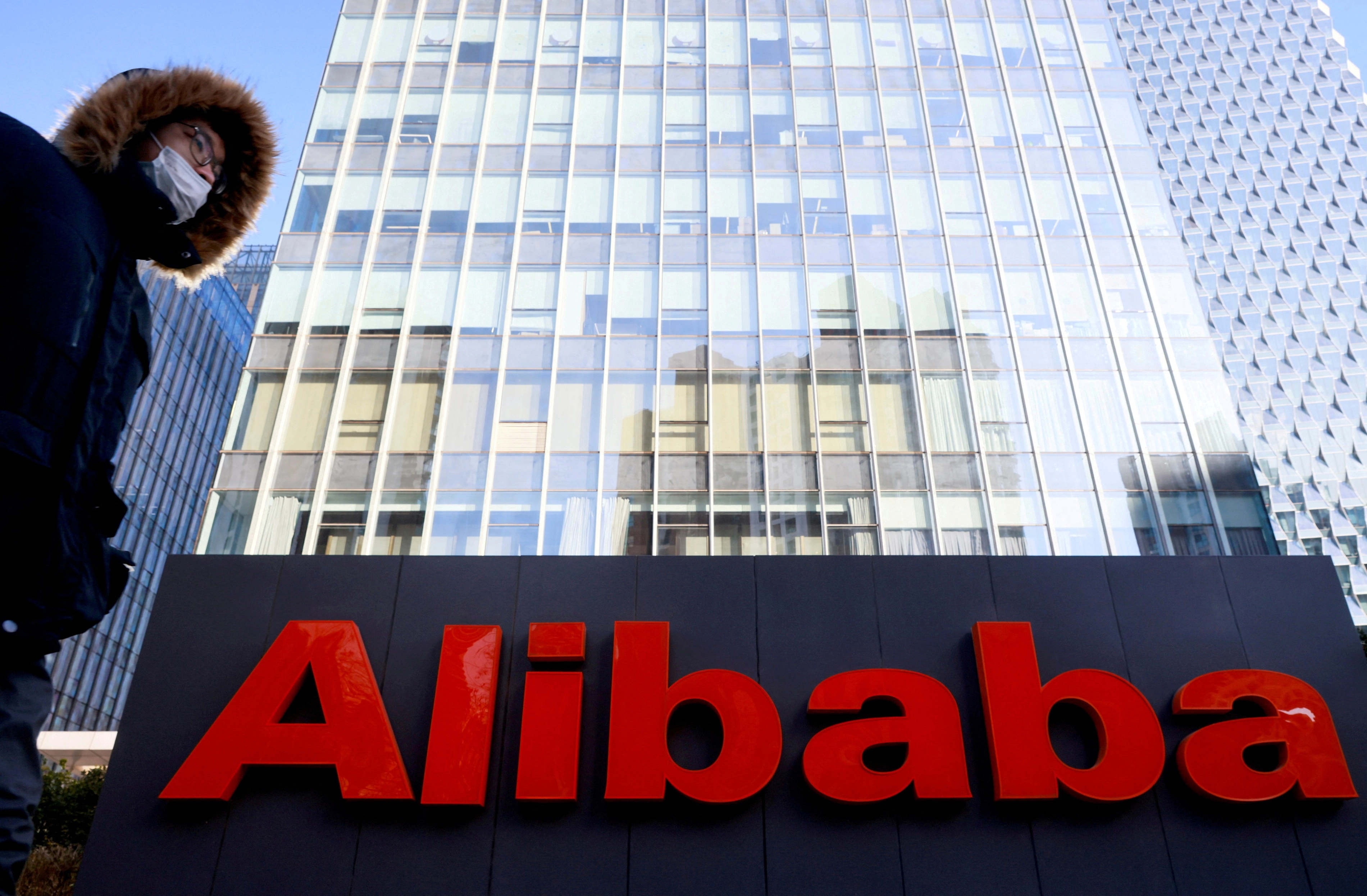
Alibaba Group, the Chinese e-commerce giant, has recently faced a staggering decline in its market valuation, losing approximately $100 billion amid intensifying competition in China’s food delivery sector. This downturn can be attributed to various factors, including increased rivalry from domestic competitors such as Meituan and Ele.me, which have been rapidly expanding their market share by offering innovative services and aggressive pricing strategies. As consumer preferences shift towards convenience and speed, these competitors have successfully captured a significant portion of the market, posing a serious challenge to Alibaba’s dominance in the food delivery landscape.
The challenges for Alibaba are compounded by the broader regulatory environment in China, where the government has been tightening its grip on large tech companies. This scrutiny has raised concerns among investors about the long-term growth prospects of Alibaba and its ability to adapt to rapidly changing market dynamics. Additionally, the ongoing pandemic has altered consumer behaviors, leading to an increased demand for food delivery services. As a result, Alibaba has had to navigate not only fierce competition but also evolving regulatory challenges that impact its operational strategies.
In response to these market pressures, Alibaba has been reevaluating its business model and exploring new avenues for growth. The company has invested in technology to enhance its delivery services and improve customer experience, recognizing that innovation is crucial in retaining its customer base. However, the road ahead remains challenging as it strives to regain its market position amidst a landscape filled with formidable rivals. The competition is expected to intensify, forcing Alibaba to adopt more aggressive marketing and promotional strategies to win back consumers.
Despite these challenges, Alibaba’s resilience in the face of adversity has been a defining characteristic of its operation. The company has a vast ecosystem that extends beyond food delivery, encompassing e-commerce, cloud computing, and digital entertainment. This diversification may provide Alibaba with the leverage needed to navigate the tumultuous waters of the food delivery market. As the battle for dominance in this sector continues, the outcomes will not only shape Alibaba’s future but will also have significant implications for the broader tech industry in China, highlighting the ongoing evolution of consumer preferences and market dynamics in the region.